
How does the ring resizing process differ for various types of metal?
The ring resizing process varies depending on the type of metal, with each material requiring specific techniques to ensure a seamless adjustment. Gold, often used in engagement and wedding rings, can be resized relatively easily due to its malleability. Platinum, being denser and more robust, may demand more time and expertise to achieve precision. Other metals, like titanium and tungsten, present significant challenges and may require alternative approaches such as exchanging for a different size. Understanding these nuances ensures that each piece retains its integrity, providing a perfect fit and maintaining the craftsmanship quality associated with bespoke jewellery.
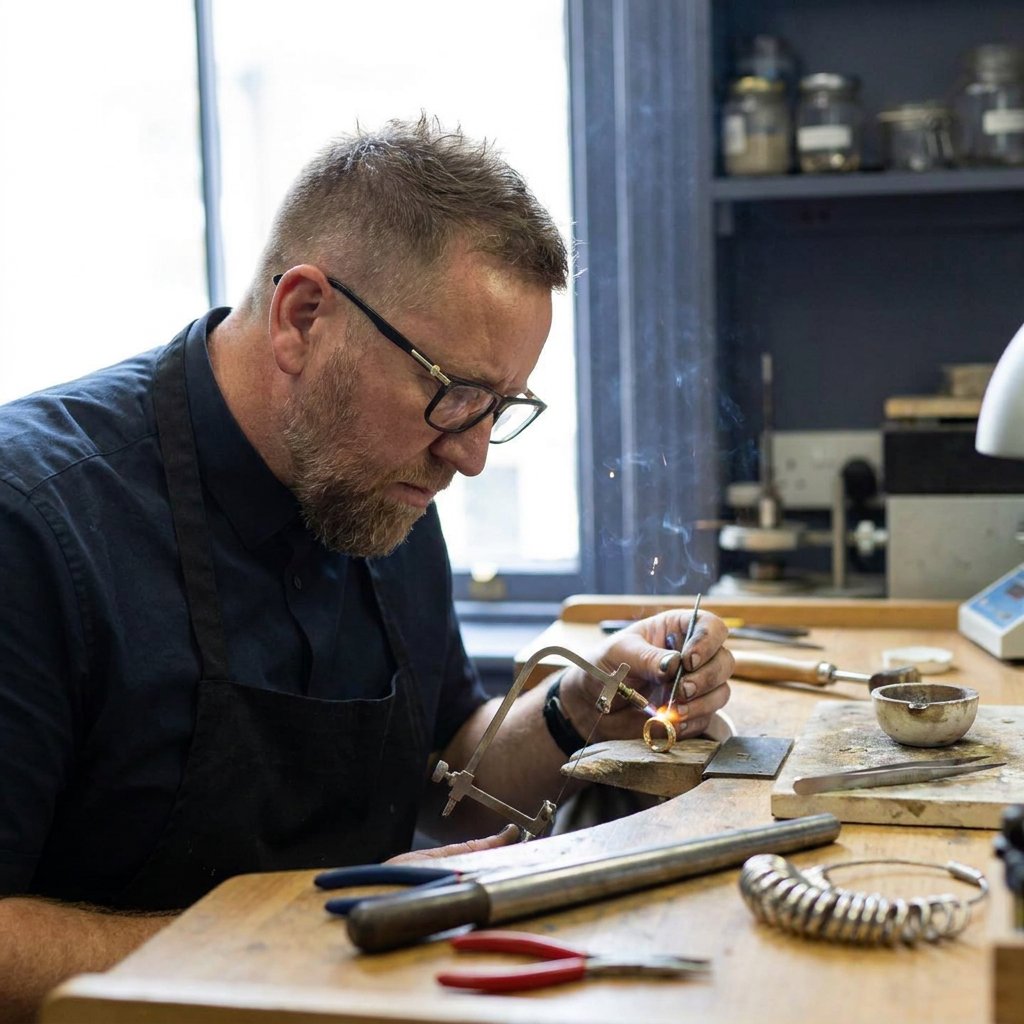
The process of resizing a ring is inherently complex and varies significantly depending on the metal from which the ring is crafted. Gold, for instance, is renowned for its malleability, making it one of the easier metals to resize. This flexibility allows for both increasing and decreasing the size of a gold ring, typically through cutting and soldering. When resizing gold rings, especially those made from pure gold or gold alloys like 18K or 14K, the jeweller can often achieve a seamless adjustment without compromising the ring’s integrity or appearance.
Platinum, on the other hand, while highly durable and prized for its resistance to wear, presents a distinct challenge due to its density. Resizing a platinum ring requires considerable skill and expertise to ensure a smooth finish that maintains the original quality. The process often involves intricate techniques and can be more time-consuming compared to gold. Special attention is given to maintaining the strength and finish of the ring, ensuring that it not only fits well but also retains its lustrous appearance.
Titanium and tungsten are among the more challenging metals to resize. Titanium, known for its strength and lightweight nature, and tungsten, celebrated for its scratch resistance, typically cannot be resized using traditional methods. In most cases, resizing these rings involves exchanging the ring for one in the correct size, particularly for tungsten, which is exceptionally hard and brittle. However, some modern jewellers might offer limited resizing options for titanium, involving insert or band width adjustments.
Stainless steel, another metal sometimes used in jewellery designs, falls into an intermediate category. It can be resized, but the process is often complicated by its durability and processing requirements, which can be similar to working with platinum in terms of the needed expertise.
For individuals considering ring resizing, it is advisable to consult with experienced jewellers who can provide detailed insights specific to the metal in question. At Steven Charles Quance, our skilled craftsmanship ensures that each resizing honours the original design while delivering the perfect fit. For bespoke or sentimental pieces, we offer a professional assessment to explore the most suitable options, guaranteeing exceptional results tailored to each unique creation.
When resizing a gold ring, a jeweller can often make the adjustment quite smoothly due to the metal’s inherent malleability. This process typically involves cutting the band, adding or removing material, and then soldering it back together. The malleability of gold means it can handle these changes without losing its structural integrity or aesthetic appeal. Conversely, platinum resizing is more complex due to its density. Working with platinum requires a higher degree of precision and care to maintain its flawless finish and strength. Therefore, adjustments are usually more time-consuming, but they uphold the ring’s value and durability.
Book a Ring Resizing Consultation
Book a ring resizing consultation to discuss your ring’s metal, construction and required adjustment with an experienced jeweller. We’ll assess the piece and explain the most suitable resizing approach for a secure, comfortable fit.