
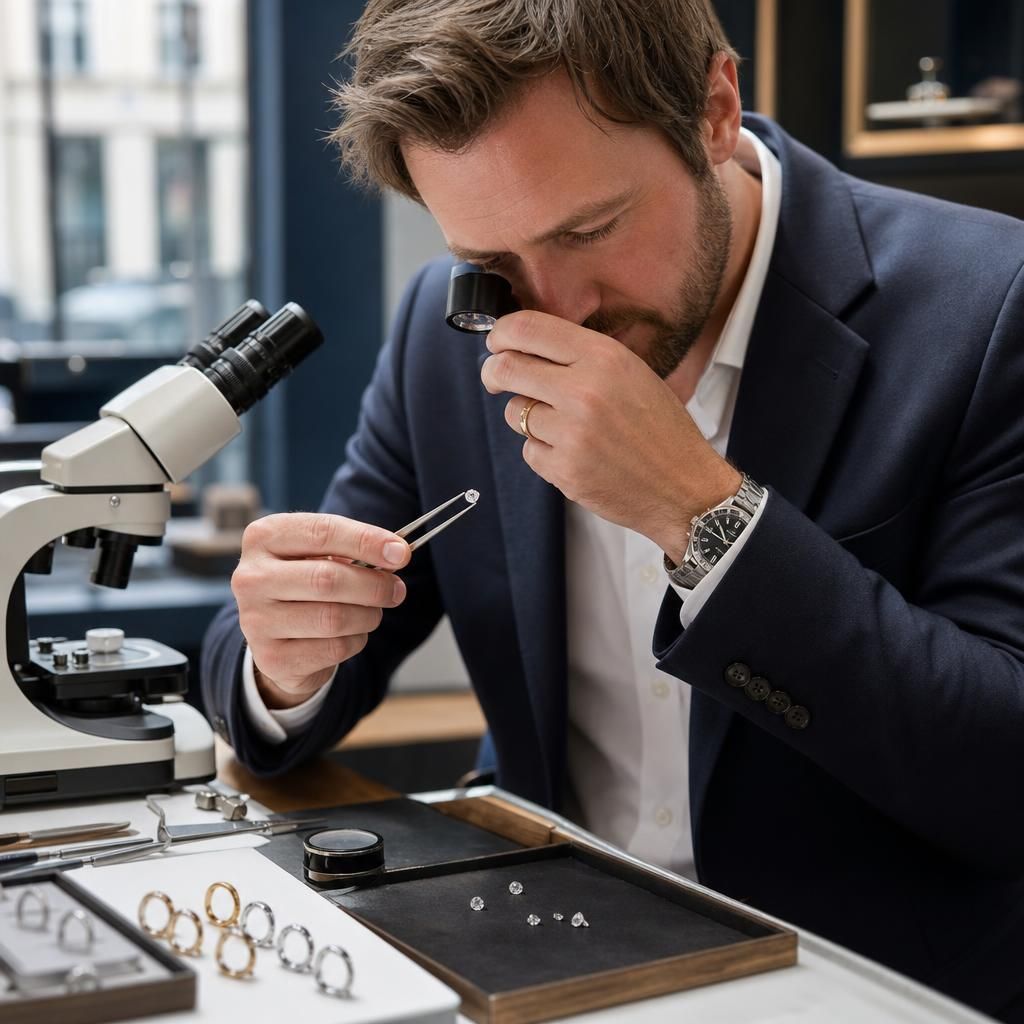
What are the visual differences between lab grown and natural diamond engagement rings?
Lab grown and natural diamond engagement rings often appear virtually identical to the unaided eye as both possess the same chemical composition and crystalline structure. However, subtle visual distinctions can exist upon closer inspection by a trained expert or using specialized equipment. These differences typically arise from the inclusions and growth patterns within the diamonds, which are naturally occurring in mined stones, while lab grown diamonds often display unique patterns consistent with their artificial creation process.
Lab grown and natural diamond engagement rings share many visual similarities due to their identical chemical composition and crystal structure. At first glance, both types of diamonds appear virtually identical, their sparkling allure remaining consistent to the unaided eye. However, under closer inspection by trained gemologists or with specialised equipment, subtle differences can emerge. These differences are primarily attributed to the way each type of diamond forms.
Natural diamonds develop deep within the Earth’s mantle under high pressure and temperature conditions over billions of years. As a result, they often possess inclusions, which are natural imperfections such as tiny minerals or fractures. These inclusions can vary widely in appearance, size, and location, adding to the unique character of each stone. These natural characteristics are sometimes visible and can affect the diamond’s overall clarity grade.
In contrast, lab grown diamonds are produced in controlled environments using advanced technological processes that replicate natural diamond growth. The most common methods are High Pressure High Temperature (HPHT) and Chemical Vapour Deposition (CVD). Lab grown diamonds can exhibit specific growth patterns related to the method used. For example, diamonds grown by the CVD method may display a characteristic lamellar structure or banding visible under high magnification. Additionally, lab grown diamonds can sometimes have metallic inclusions that are not found in natural diamonds, although these are typically minuscule and do not affect the stone’s aesthetic appeal significantly.
Despite these differences, both lab grown and natural diamonds are subjected to rigorous grading processes by gemological laboratories, considering factors such as cut, colour, clarity, and carat weight. Consequently, the visual differences may be more discernible in specific contexts, primarily affecting perceptions of uniqueness rather than the diamond’s intrinsic beauty. Ultimately, choosing between these diamonds often involves considerations beyond mere appearance, such as ethical sourcing and environmental impact, both of which reflect the values and preferences of discerning clients like yours in the West Midlands.
The visual differences between lab grown and natural diamond engagement rings revolve around their internal formations and inclusions. While both may appear similar at first glance due to their identical chemical compositions, nuanced variations can arise from the growth processes. Natural diamonds often contain a variety of inclusions such as tiny minerals or crystal irregularities formed over millions of years deep within the Earth. These natural inclusions may be visible upon closer examination and contribute to each diamond’s unique character.
Conversely, lab grown diamonds, produced through carefully controlled processes like Chemical Vapour Deposition (CVD) or High Pressure High Temperature (HPHT), exhibit consistency and precision in their growth structure. Under magnification, these diamonds might show specific growth lines or patterns not typically present in natural stones. Additionally, lab grown diamonds can occasionally feature metallic inclusions, distinct from those found naturally, although these are generally not noticeable to the naked eye.
Compare lab grown and natural diamond rings with expert guidance
For expert guidance comparing the visual qualities of lab grown and natural diamond engagement rings, arrange a personal consultation with Steven Charles Quance. We can help you assess cut, colour, clarity and setting options to choose a ring that suits your preferences.
Speak to your personal jeweller
Every commission begins with a conversation. Arrange an appointment in the Birmingham Jewellery Quarter or talk it through by phone.