
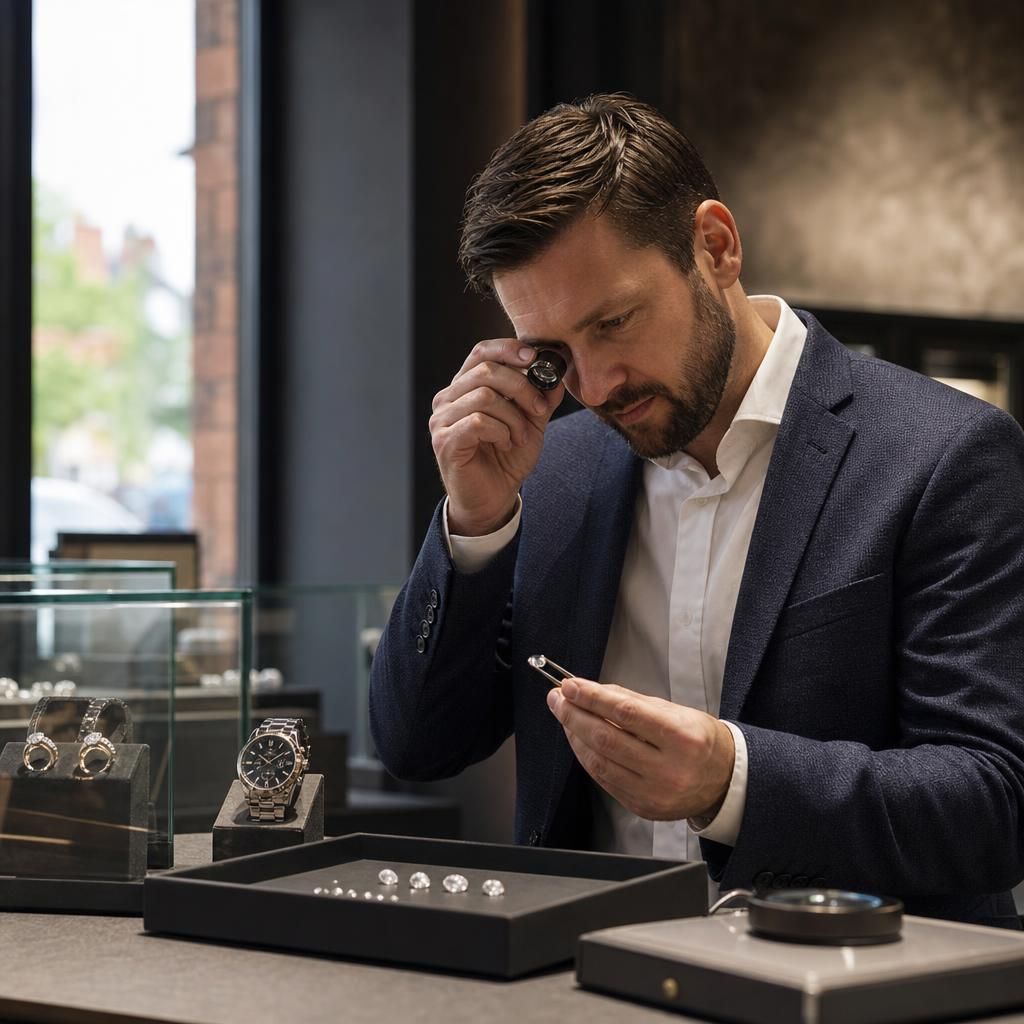
What are the key differences between lab-grown diamonds and natural diamonds?
Lab-grown diamonds and natural diamonds share the same physical and chemical properties, but they are created through different processes. Lab-grown diamonds are produced in a controlled environment using advanced technological methods, while natural diamonds are formed over billions of years within the Earth’s mantle. Both options offer brilliance and durability, yet differ in origin and potential ethical considerations.
Lab-grown diamonds and natural diamonds, while visually and chemically similar, differ fundamentally in their creation process. Lab-grown diamonds are synthesised in controlled environments using techniques like Chemical Vapour Deposition (CVD) or High Pressure High Temperature (HPHT), which replicate the natural conditions diamonds experience over millennia in the Earth’s mantle. In contrast, natural diamonds are mined from the Earth, formed naturally over a period spanning billions of years.
A significant point of difference is their environmental footprint. Lab-grown diamonds offer a more sustainable option due to their reduced impact on land and ecosystems compared to traditional mining practices. This appeals to those prioritising environmental ethics, aligning with Steven Charles Quance’s commitment to ethically sourced craftsmanship.
From a quality perspective, both lab-grown and natural diamonds exhibit similar physical properties, such as hardness and optical brilliance, making them equally durable and beautiful for jewellery like bespoke engagement rings. However, lab-grown diamonds can often be offered at a more competitive price point due to their manufacturing process, providing an appealing choice for budget-conscious clients without compromising on quality or authenticity.
For discerning customers of Steven Charles Quance, considering factors such as origin, environmental impact, and budget can aid in making an informed decision between lab-grown and natural diamonds. Each type offers its unique benefits, ensuring that whatever your preference, you receive a piece that’s not only of exceptional craftsmanship but also aligns with your values.
When distinguishing between lab-grown and natural diamonds, it’s crucial to understand the nuances in their genesis. Natural diamonds are formed through geological processes over billions of years, beneath the Earth’s surface. In contrast, lab-grown diamonds are crafted using sophisticated techniques, replicating these natural conditions in a laboratory setting within weeks. Despite their different origins, both types of diamonds share identical physical and chemical properties, such as hardness and optical brilliance.
Compare Lab-Grown and Natural Diamonds with Our Experts
If you are comparing lab-grown and natural diamonds for an engagement ring, speak to our specialists for clear advice on quality, provenance, design and budget. Arrange a consultation with Steven Charles Quance to explore suitable diamonds and bespoke settings.
Speak to your personal jeweller
Every commission begins with a conversation. Arrange an appointment in the Birmingham Jewellery Quarter or talk it through by phone.