
What factors influence the pricing of reconditioned Rolex watches?
Several factors influence the pricing of reconditioned Rolex watches, including the model’s rarity, condition, age, and the materials used in its construction. Additionally, the historical significance and demand for specific models play a crucial role in determining their market value. Understanding these elements will help you make informed decisions when purchasing a reconditioned timepiece.
The pricing of reconditioned Rolex watches is influenced by several key factors, each contributing to the overall value perceived by collectors and enthusiasts. A primary consideration is the rarity of the model. Rolex has produced a vast array of models over its long history, and those which were manufactured in limited quantities or have since been discontinued often command higher prices. Enthusiasts frequently seek out these rarer models, driving up their market value due to scarcity and heightened demand.
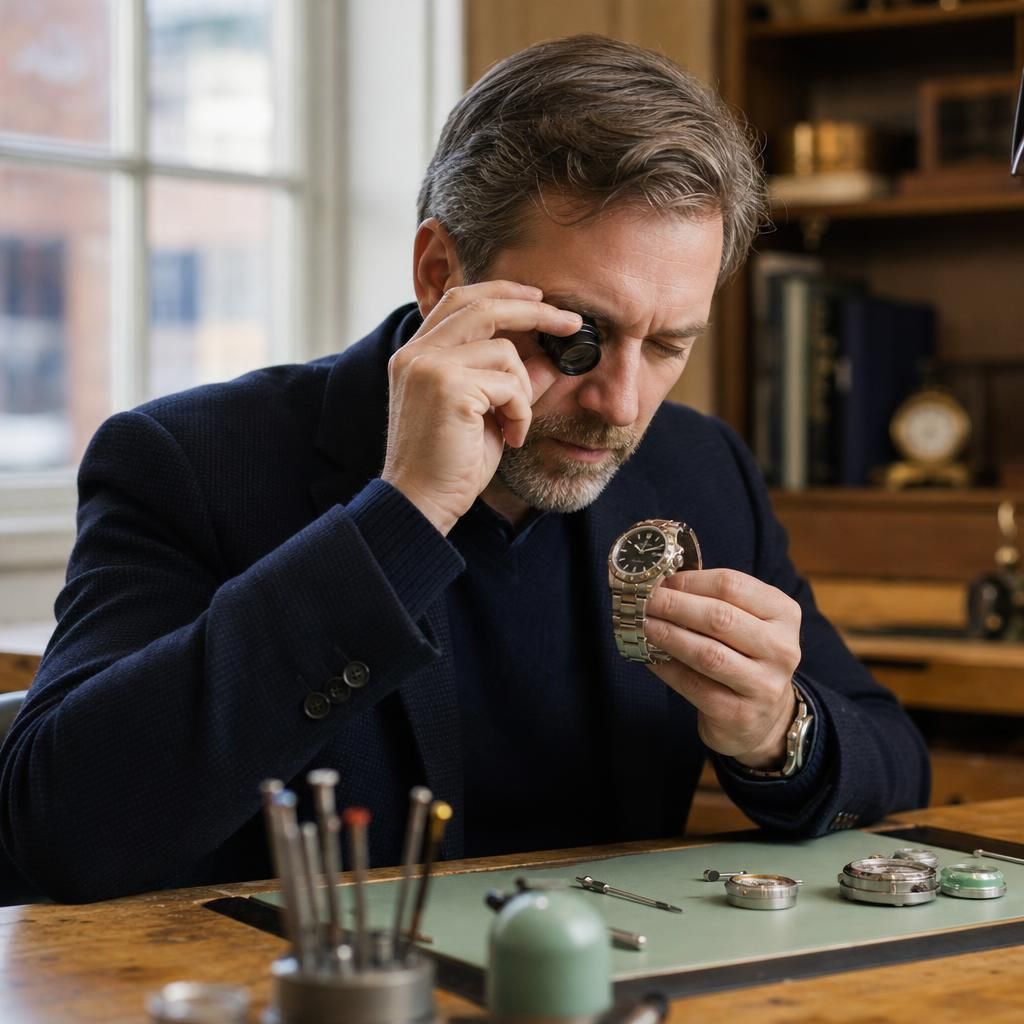
Another crucial factor is the condition of the watch. A reconditioned Rolex is evaluated on the quality of its refurbishment, with particular attention paid to both mechanical reliability and aesthetic appeal. Timepieces that retain their original components, such as the dial and bezel, are typically valued higher. Additionally, watches with complete service histories or those verified by expert horologists can reassure buyers of their enduring quality and performance.
The age of a Rolex also plays a substantial role in its pricing. While vintage models can attract significant interest and higher prices due to their historical allure and period-specific designs, newer reconditioned models benefit from the appeal of modern features and advanced craftsmanship. Buyers often weigh these elements against personal preference, with some prioritising nostalgic value while others focus on contemporary sophistication.
Materials used in construction are another pivotal aspect influencing cost. Watches crafted with precious metals such as gold or platinum naturally command higher price points compared to those made of stainless steel. Moreover, specific embellishments such as diamond accents or mother-of-pearl dials enhance the luxury appeal, impacting the overall valuation.
Demand for specific models significantly affects pricing as well. Rolex pieces with iconic status, often associated with notable events or worn by renowned figures, hold a place of prestige and tend to maintain or appreciate in value. Collectors and enthusiasts are drawn to these pieces, recognising them as not just timekeepers but storied artefacts of both horological significance and cultural import.
The rarity of a reconditioned Rolex watch significantly impacts its pricing. Models that were produced in limited numbers or are no longer in production often attract higher valuations due to their scarcity. Enthusiasts and collectors often seek out these rare timepieces, driven by the desire to own a unique piece of horological history that is not readily available on the market. For instance, specific editions with distinctive features or those tied to notable historic events tend to be especially coveted. This rarity factor is crucial, as it directly influences both current market value and potential future appreciation, making such models a compelling choice for discerning buyers.
Ask Us About Reconditioned Rolex Pricing
For clear guidance on the factors affecting a reconditioned Rolex’s price, contact us to discuss the model, condition, service history and paperwork of the watch you are considering.