
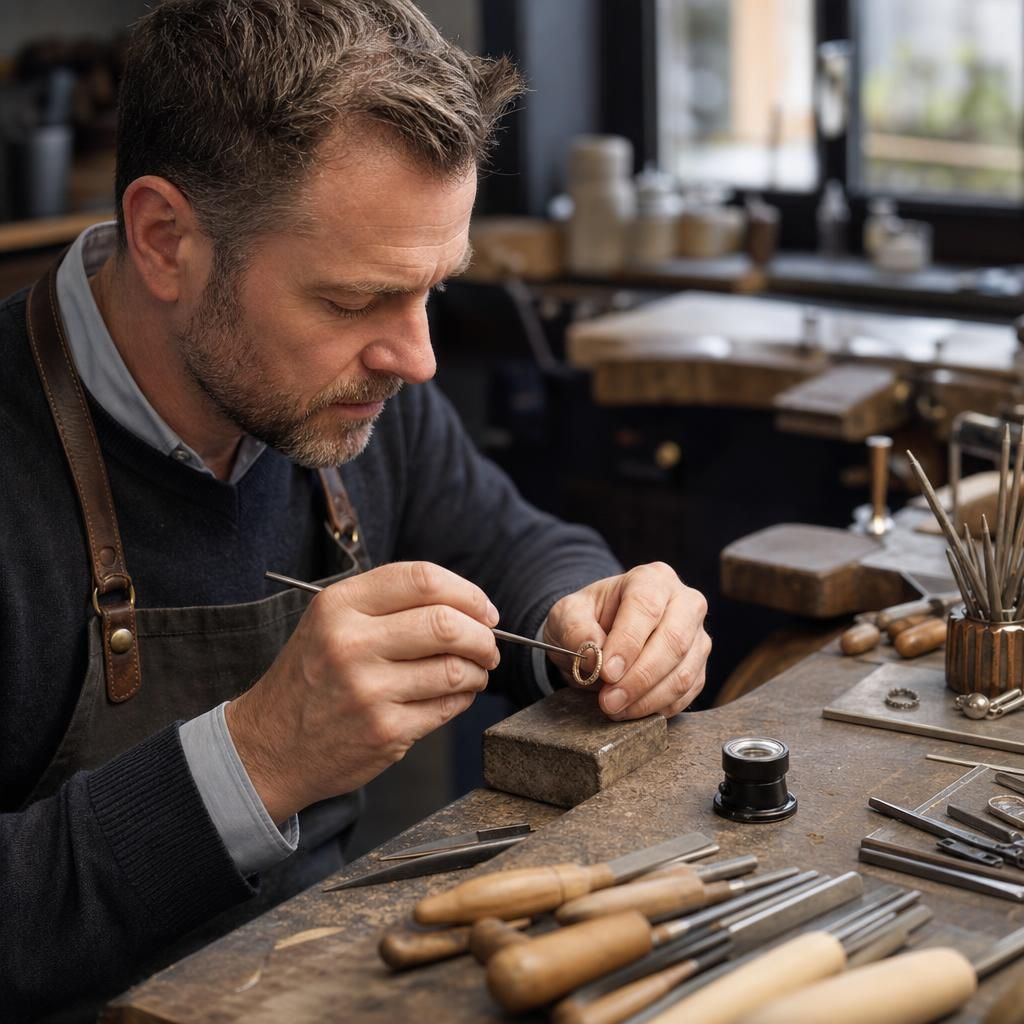
What materials and techniques are involved in resizing a wedding ring?
Resizing a wedding ring involves various techniques and materials to ensure a precise fit. This often includes cutting the band and either adding or removing metal to adjust the size. The type of metal, such as gold, platinum, or silver, directly influences the method used, as each material requires specific handling to maintain integrity and appearance.
Resizing a wedding ring involves expert craftsmanship and precision, utilising different materials and techniques depending on the specifics of each piece. The process primarily hinges on the type of metal from which the ring is made, as each material demands unique handling to ensure both functionality and aesthetics are preserved. Common metals used in wedding rings such as gold, platinum, and silver, are well-suited for resizing due to their malleable properties.
Gold, a perennial favourite due to its lustre and relative softness, offers flexibility in resizing. This can involve either cutting the band to remove a section or adding additional metal for an increase in size. For platinum rings, known for their durability and resistance to wear, the resizing process is more intensive. Platinum requires experienced jewellers who are adept in working with its properties to maintain the ring’s seamless appearance. Silver, being softer than platinum and gold, also accommodates resizing relatively easily, though it can tarnish faster, necessitating careful handling during the process.
The techniques applied in resizing include soldering, which involves cutting the ring and expertly joining the pieces or adding metal to compensate for size changes. For rings with intricate designs or inlays, resizing demands additional care to maintain the integrity of decorative elements. Moreover, rings featuring gemstones require specialised consideration to ensure the stones remain secure and do not experience undue stress during resizing.
The proficiency of a reputable jeweller, such as Steven Charles Quance, ensures that resizing is undertaken with meticulous attention to detail. Aside from expertise in handling precious metals, the jeweller provides insight into the most suitable resizing techniques based on individual ring characteristics and customer preferences. At every step, preserving the original design and craftsmanship is paramount. Being proactive in discussing requirements ensures the desired outcome, reaffirming trust in the bespoke service provided.
Resizing Techniques Overview: A key aspect of wedding ring resizing involves the precise adjustment of the band to ensure a secure and comfortable fit. Among the most common techniques used during this process is soldering . This entails carefully cutting the ring and then expertly using heat to join either the newly adjusted sections or additional metal for size increases. Soldering requires not only technical skill but also a deep understanding of the properties of metals such as gold, platinum, and silver to maintain the ring’s original integrity and appearance.
For rings featuring intricate designs or embedded gemstones, the resizing process necessitates additional consideration. Jewellers must exercise meticulous care to ensure that decorative elements remain unaffected and stones remain securely set in their mounts. This attention to detail ensures the aesthetic and structural quality of the wedding ring is preserved, reaffirming its significance and sentimental value.
Discuss Resizing Your Wedding Ring With Our Experts
If you would like advice on the best resizing technique for your wedding ring’s metal and design, speak to our jewellery experts for a professional assessment. We can explain the options, suitability and aftercare before any work begins.
Speak to your personal jeweller
Every commission begins with a conversation. Arrange an appointment in the Birmingham Jewellery Quarter or talk it through by phone.