
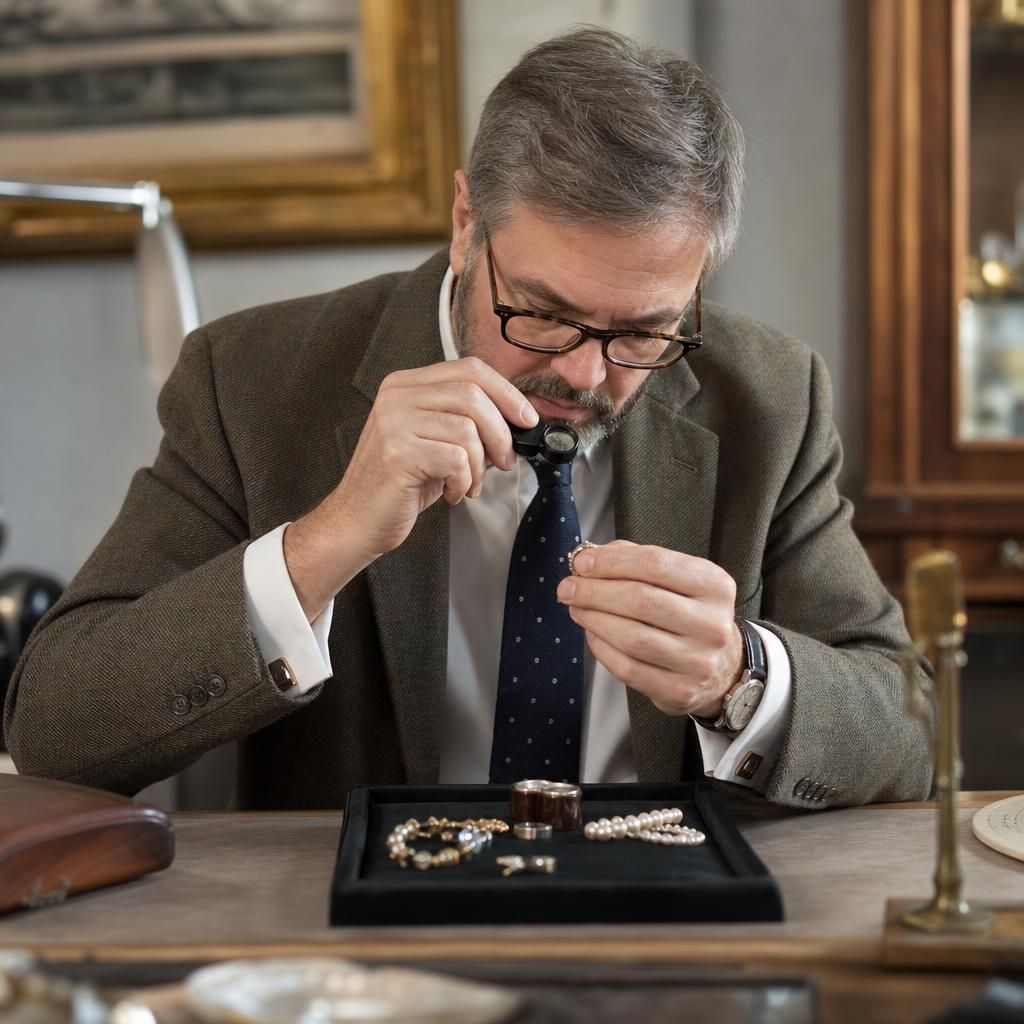
How is jewellery valued for probate purposes?
Jewellery is valued for probate purposes by assessing its fair market value at the date of the owner’s death. This involves determining what a willing buyer would pay a willing seller in an open and unrestricted market. Factors such as the materials, gemstones, craftsmanship, and provenance are carefully considered to provide an accurate appraisal for probate documentation.
Jewellery valuation for probate purposes centres on determining the fair market value of items at the time of the owner’s death. This requires a clear understanding of what a willing buyer might pay to a willing seller in an open and unrestricted market environment. The valuation process itself involves a detailed examination of several factors, each contributing significantly to the final assessed value for probate documentation.
Firstly, the type of materials used in the jewellery is pivotal. Precious metals such as gold, platinum, and silver are appraised based on current market prices, and any fluctuations can impact the final valuation. Similarly, gemstones are closely examined; attributes like carat weight, colour, clarity, and cut play essential roles in establishing their worth.
Craftsmanship also weighs heavily in the valuation, especially regarding bespoke items or those with intricate designs. The expert eyes of a valuer will discern the quality of work, attention to detail, and overall design finesse, which could enhance the item’s value significantly, especially in the case of luxury or custom-made pieces.
Provenance can be another influential factor in jewellery valuation. Knowing the history of a piece—its origin, any noteworthy previous owners, or if it is a limited edition—adds context that might heighten its value. Jewellery with a rich provenance often holds increased appeal to collectors and can result in a higher valuation for probate purposes.
Additionally, the current condition of the jewellery is considered. Any necessary repairs or the overall state of the piece can either enhance or diminish value, depending on whether restoration maintains the item’s original integrity or detracts from it.
For clients of Steven Charles Quance, this careful and thorough process ensures that every piece is accurately appraised. Beneficiaries and executors can rest assured, knowing that the valuation reflects the item’s true worth at the critical time of probate. The use of detailed knowledge and experience facilitates a valuation that stands up to scrutiny, providing peace of mind for all parties involved.
Understanding the role of provenance in jewellery valuation for probate purposes is crucial. Provenance refers to the documented history of a jewellery piece, detailing its origin, prior ownership, and any significant events it may be linked to. This historical context can considerably influence the item’s perceived value. For example, jewellery with connections to famous personalities or notable historical events can command higher valuations due to the allure and exclusivity associated with such provenance. At Steven Charles Quance, we meticulously assess and verify the provenance of pieces to ensure that your jewellery’s history is accurately reflected in its probate valuation. This thorough approach guarantees that the unique story and significance of each item are taken into account, providing confidence and assurance that every aspect of your jewellery’s worth has been comprehensively considered.
Arrange Your Jewellery Valuation for Probate
If you need a reliable jewellery valuation for probate, contact Steven Charles Quance to arrange an appointment and discuss the items requiring assessment. We can explain the process, documentation and valuation requirements before your appointment.
Speak to your personal jeweller
Every commission begins with a conversation. Arrange an appointment in the Birmingham Jewellery Quarter or talk it through by phone.