
How does the choice of jewellery material and gem quality affect probate valuation, and what common misconceptions should be avoided?
The choice of jewellery material and gem quality significantly influences probate valuation, as these factors determine both the intrinsic value and market demand of a piece. High-value metals like platinum and gold, along with top-quality gemstones, generally enhance the worth of jewellery in a probate assessment. However, misconceptions such as assuming all precious metals or gems are of equal value can lead to inaccurate valuations. Understanding these nuances ensures you achieve a precise and fair probate appraisal.
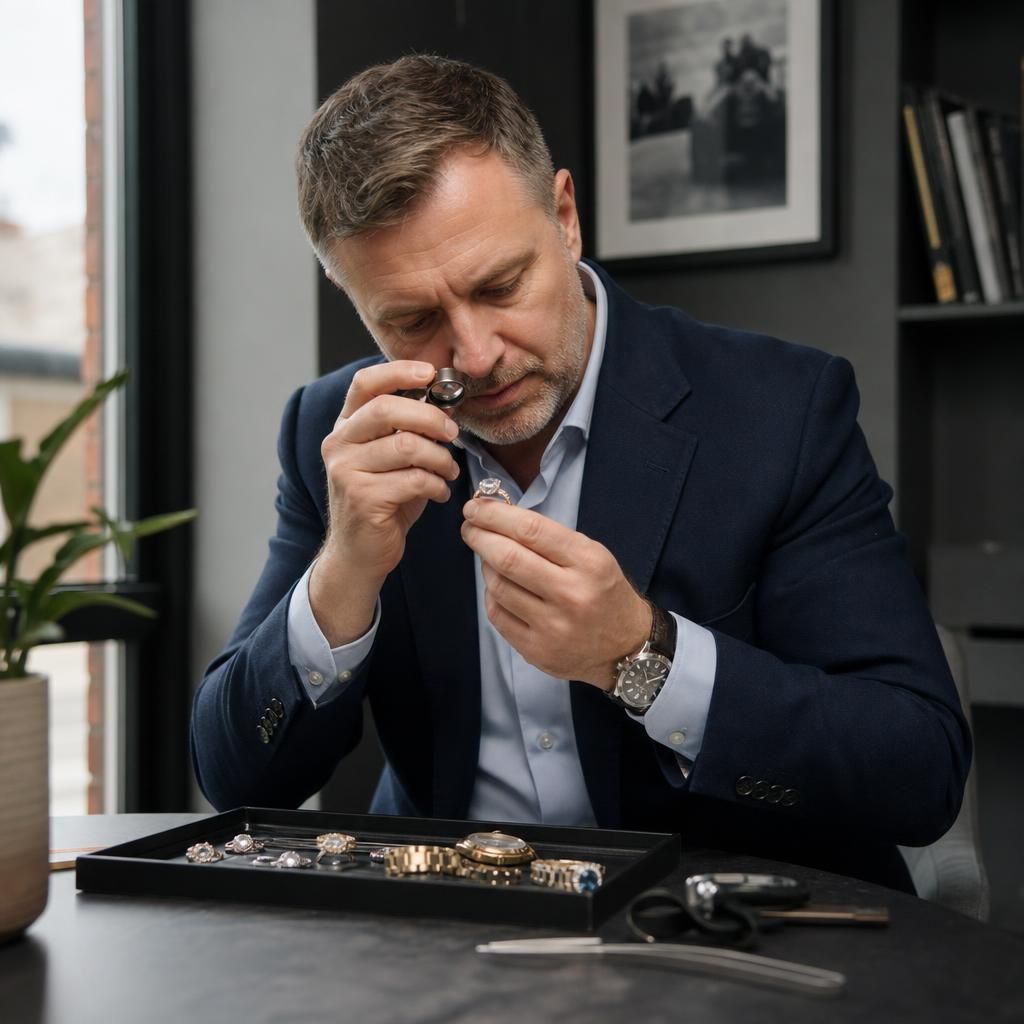
The choice of jewellery material and gem quality plays a critical role in probate valuation, as these elements directly influence both the intrinsic and perceived value of a piece. Materials such as platinum, gold, and other high-value metals tend to increase the worth of jewellery due to their strong market demand and established worth. Similarly, the quality of gemstones, such as clarity, colour, and carat weight, significantly impacts their valuation in probate assessments. Understanding these attributes is essential for achieving an accurate probate valuation, ensuring all aspects are duly considered when determining their value.
One must be cautious of common misconceptions which can lead to inaccurate appraisals. A frequent misunderstanding is that all types of gold or similar precious metals inherently possess equal value, which is misleading. The value can differ based on purity levels—measured in carats—and market fluctuations. For instance, 24-carat gold is purer and generally more valuable than its 18-carat counterpart. Additionally, two pieces of jewellery with the same gemstone type may vary in price due to differences in cut, colour, clarity, and carat, commonly referred to as the ‘Four Cs’.
For purpose of probate, it’s vital to differentiate the true worth from sentimental or speculative value. Expert jewellery valuers, such as those within our service range in Birmingham and the UK, assess these criteria to ensure precise appraisals. They consider the provenance and document the item’s history which can add to its value, particularly if the piece has a substantial historical or brand significance.
In our experience, ethically sourced craftsmanship is increasingly considered in assessments, where provenance plays a vital role in valuation. This is part of a broader recognition that the ethical origin of materials can influence their market desirability and thereby their probate value.
In summary, while material and gemstone quality heavily influence valuations, the process involves multiple layers of expertise and understanding. Clients should avoid simplifying these factors and instead rely on professional, nuanced assessments to ensure appraisals reflect true market values.
When considering the probate valuation of jewellery, it’s vital to understand the impact of gem certification. Gemstones often come with certificates from recognised gemological institutes, which authenticate their quality and characteristics like colour, cut, clarity, and carat. These certifications are crucial as they serve as a standardised measure of quality, providing a benchmark that is widely accepted within the industry. This can lead to a more accurate and potentially higher valuation during probate assessments.
However, a common misconception is that having a certificate automatically increases the value of a gemstone significantly. While it does assure the quality and legitimacy of the gem, the actual market value can still be influenced by other factors, such as current demand trends and the reputation of the certifying body. Furthermore, the absence of a certificate doesn’t always equate to lower value if the piece holds other qualities or provenance that are highly regarded. Therefore, when contemplating probate valuation, utilising certified gemstones and understanding their real impact on valuation is beneficial, ensuring a thorough and reflective appraisal process.
Arrange Your Probate Jewellery Valuation
If you need an accurate probate valuation that reflects the jewellery’s materials, gemstones and condition, contact Steven Charles Quance to arrange an expert assessment. We can explain the required documentation and guide you through the valuation process.
Speak to your personal jeweller
Every commission begins with a conversation. Arrange an appointment in the Birmingham Jewellery Quarter or talk it through by phone.