
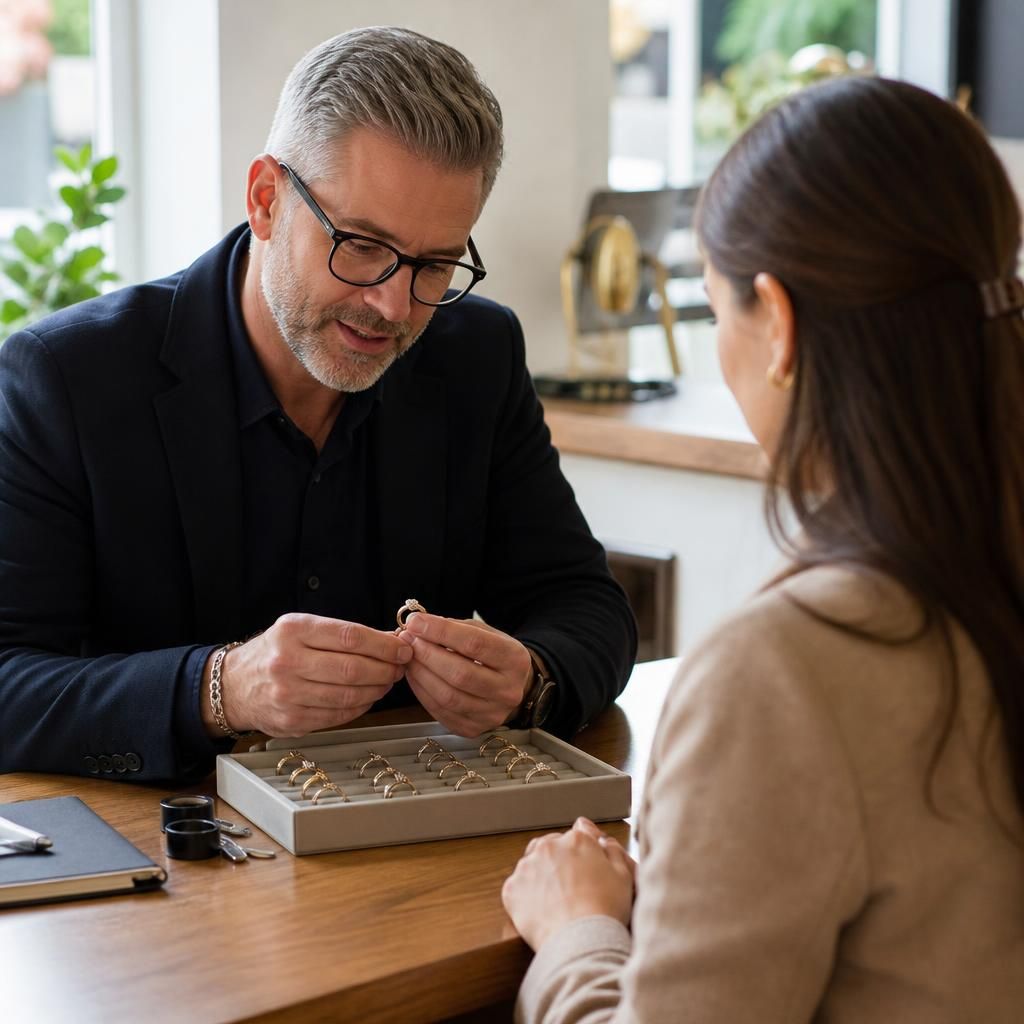
Have you considered the long-term benefits of choosing a repair service that offers comprehensive aftercare and ethically sourced materials?
Choosing a jewellery repair service with comprehensive aftercare helps preserve your piece’s condition, fit and value beyond the initial repair, while ethically sourced replacement materials support responsible craftsmanship. Ongoing services such as inspections, cleaning, resizing, repairs and valuations can help identify wear early and keep treasured jewellery wearable for longer.
Choosing a jewellery repair service with comprehensive aftercare and ethically sourced materials can protect your piece’s condition, wearability and provenance long after the original work is complete. Aftercare provides a planned way to monitor and maintain the repair, while responsible sourcing helps ensure that replacement metals and gemstones are obtained through traceable and considered supply chains where available.
A repair should not be viewed as an isolated alteration. Jewellery is exposed to friction, moisture, cosmetics and accidental impact during everyday wear, so even a carefully completed repair can require future inspection. A suitable aftercare service may include cleaning, condition checks, claw and setting inspections, polishing, further adjustments, valuation updates and advice about when a piece should be removed for particular activities.
This ongoing attention is particularly important for engagement rings, wedding rings and frequently worn bracelets. A previously weakened area, repaired joint or replacement setting can be assessed during routine maintenance before a small issue develops into gemstone loss or more extensive damage. Regular checks can also identify thinning bands, worn claws, stretched links and loose catches that may not be obvious during normal wear.
Comprehensive aftercare can offer several long-term benefits:
Ethically sourced materials are also relevant when a repair requires replacement metal, a new gemstone or additional components. Responsible sourcing involves asking where materials have come from and whether the supplier can provide appropriate information about their origin and supply chain. For precious metals, this may include recycled or responsibly sourced material, depending on suitability and availability. For gemstones, provenance information and supplier documentation can help establish whether the stone has been obtained through an appropriate route.
Ethical sourcing must be balanced with technical suitability. The replacement material needs to match the original piece in colour, hardness, construction and appearance, and it must be appropriate for the proposed repair. A visually similar component may not be suitable if it is too soft, too brittle or incompatible with the existing metal. For this reason, the repairer should explain which material is recommended, whether an exact match is possible and how the choice may affect the finish or future maintenance.
For antique, vintage or handmade jewellery, retaining as much original material as possible may be preferable to replacing it unnecessarily. A skilled repair assessment should distinguish between damage that needs immediate attention and wear that contributes to the character or construction of the piece. Delicate settings, mixed metals, hand engraving and previous alterations may require a more conservative approach. The proposed work should be agreed before any irreversible change is made.
Aftercare is most useful when it is explained clearly at the point of repair. Ask what has been repaired, which materials have been used, whether any areas remain vulnerable and how the jewellery should be worn and stored. It is also sensible to ask whether future inspections, cleaning, resizing, remodelling or valuation services are available, and whether the original repair details will be retained for reference.
There are practical steps you can take at home. Remove jewellery before heavy work, swimming, bathing or applying products that may leave a residue. Store pieces separately so that harder stones or projecting settings do not scratch softer metal. Check catches and stones visually, and stop wearing a piece if a gemstone moves, a claw catches on fabric or a joint appears open. Do not attempt to tighten, glue or polish a valuable item yourself, as an unsuitable repair can make professional restoration more difficult.
For high-value jewellery, a written assessment and updated valuation may be appropriate after substantial work, particularly where the repair has changed the item’s condition or specifications. Keep invoices, repair notes and any material or gemstone documentation with your insurance records. These details provide a clearer account of the work carried out and can support future maintenance decisions.
In the long term, the combination of responsible materials, technically appropriate repairs and planned aftercare helps reduce avoidable deterioration. When you bring a treasured piece to us, we can assess its construction and condition, discuss suitable repair options and explain the maintenance likely to be needed afterwards. This gives you a practical plan for preserving its fit, function and appearance while respecting the materials and workmanship that make it valuable.
Comprehensive aftercare means continuing to assess, maintain and document your jewellery after the initial repair, while ethically sourced materials are selected with regard to traceability, suitability and responsible supply. Together, these considerations can help protect the piece’s condition, appearance and long-term wearability.
During a repair assessment, the replacement metal, gemstone or component should be compatible with the original construction. We can discuss whether recycled or responsibly sourced materials are suitable, explain any available provenance information and identify where retaining original material is preferable, particularly for vintage, antique or handmade jewellery. Ethical sourcing should never replace technical judgement: the material must also have the right colour, hardness and durability for the repair.
Aftercare may include cleaning, setting and clasp checks, minor adjustments, further repairs and valuation updates. Keeping repair notes and material information provides a useful record for future maintenance or insurance purposes. If a stone moves, a claw catches on clothing or a joint appears open, stop wearing the piece and arrange an inspection rather than attempting a home repair.
- Early identification of wear: inspections can reveal movement in settings, worn metal or weakened solder joints before the problem becomes more serious.
- Continued comfort and fit: resizing, clasp adjustments and minor corrections can help a piece remain secure and comfortable as your requirements change.
- Better preservation of appearance: professional cleaning and appropriate finishing can remove accumulated residue without using unsuitable household products or abrasive methods.
- Protection of documentation: repair records, photographs and valuations can help establish the piece’s condition and work history, which may be useful for insurance or future instructions.
- More informed decisions: a jeweller who understands the original repair can advise whether future work should be completed, limited or avoided to protect delicate materials.
Arrange Your Jewellery Repair and Aftercare Consultation
Arrange your jewellery repair and aftercare consultation to discuss the appropriate repair, ethically sourced materials and ongoing maintenance for your piece. Bring any previous valuation or repair documents so we can provide informed, practical advice.
Speak to your personal jeweller
Every commission begins with a conversation. Arrange an appointment in the Birmingham Jewellery Quarter or talk it through by phone.