
What should I know about the materials and techniques used in jewellery repair and how do they influence turnaround time?
The material, construction and condition of a piece directly affect jewellery repair turnaround time. Straightforward work on a familiar metal may be completed quickly, while delicate settings, mixed metals, fragile gemstones, specialist techniques, or bespoke replacement parts require more careful assessment, skilled workmanship and sometimes additional time for sourcing or testing.
The materials used in a piece of jewellery and the repair technique required are two of the main factors determining turnaround time. A simple repair in a familiar precious metal may be completed relatively quickly, while work involving platinum, mixed metals, delicate gemstones, unusual construction or a specially made replacement part usually requires additional assessment, preparation and testing.
Why the metal affects repair time
Gold, silver, platinum and palladium each behave differently when heated, shaped, soldered or polished. The specific alloy also matters. For example, white gold may need refinishing and re-plating after a repair, whereas yellow gold may only require cleaning and polishing to restore its appearance. Rose gold can require a closely matched alloy to maintain its colour, particularly where a visible section is being replaced.
Platinum repairs often require specialist handling because the metal has a high melting point and behaves differently from gold during soldering and shaping. It may be possible to repair some damage with laser welding or platinum-specific soldering, but the appropriate method depends on the design, the location of the damage and the condition of the surrounding metal. This assessment helps prevent heat-related damage to gemstones and preserves the original proportions of the piece.
Silver is generally workable, but heavily tarnished, thin or previously repaired items still need care. Some silver jewellery has plated finishes, oxidised details or decorative textures that can be altered by polishing or heat. These finishes may need to be restored after the structural repair, adding a further stage to the work.
How the construction of the jewellery influences the assessment
A plain band with a clean split is usually more straightforward than a ring with multiple settings, fine shoulders, intricate engraving or previous alterations. Jewellery is often repaired more than once during its lifetime, and earlier solder joints, thinning metal or concealed damage can affect the safest repair method.
Bracelets and chains can contain many small links, articulated sections, catches and connecting rings. Replacing a broken link may be relatively simple if a suitable matching component is available. If the link is worn, shaped unusually or integral to the design, it may need to be fabricated or rebuilt by hand. A clasp may also require adjustment so that it closes securely without putting excess strain on the repaired area.
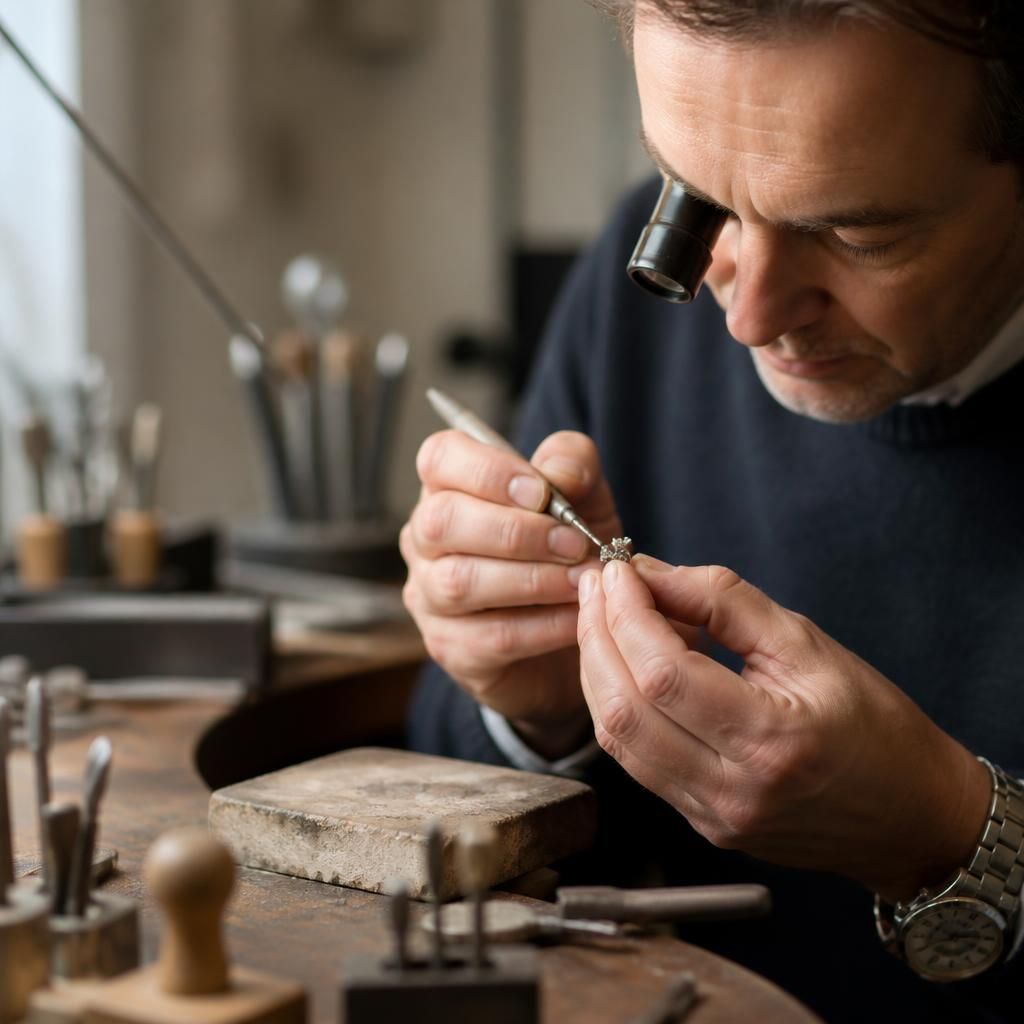
Rings with worn claws, loose settings or damaged galleries need particular attention because the repair must protect the stones as well as the metal. A setting may need to be dismantled, rebuilt or partly replaced before the stone can be safely secured. This is why a ring that appears to need only a quick claw repair may take longer once the condition of the setting has been examined under magnification.
Common techniques and their effect on turnaround
Gemstones, pearls and other sensitive materials
The presence and condition of gemstones can significantly affect the repair method. Diamonds and some durable gemstones may tolerate carefully controlled heat, but this cannot be assumed for every stone or every setting. Emeralds, opals, pearls, turquoise and some treated or fracture-filled stones can be particularly sensitive to heat, chemicals, pressure or sudden temperature changes.
Where a stone is vulnerable, it may need to be removed before soldering, laser work or refinishing. Removing and resetting a gemstone adds skilled handling and inspection to the process. In other cases, the repair can be completed with the stone in place, but only after assessing its condition, security and proximity to the repair area. A stone that is already chipped, loose or damaged may require separate work or specialist advice.
Pearls and other organic materials often need to be protected from heat, solvents and polishing compounds. Jewellery incorporating enamel, ceramic, wood, leather or decorative coatings may also require a modified technique and more conservative finishing.
When replacement parts or specialist work are needed
Turnaround can be extended when a suitable component is not readily available. A replacement must match the metal, dimensions, colour, style and function of the original. For older, unusual or hand-finished jewellery, an off-the-shelf part may not be appropriate, so a jeweller may need to make or commission a matching component.
Some repairs also require input from more than one specialist. Examples include complex stone setting, enamel restoration, engraving, antique construction, watch-related work or the manufacture of a bespoke section. The item may need to move through assessment, repair, setting, finishing and quality checks in sequence rather than being completed in one operation.
Why the quoted turnaround may change after assessment
An initial description or photograph can indicate the likely type of repair, but it cannot always reveal thinning metal, hidden fractures, loose stones or weaknesses around an old solder joint. A hands-on inspection allows the repairer to confirm the material, test the construction and identify work that is necessary to make the result secure and durable.
If the repair is more extensive than first expected, you should be told what has been found and why it affects the proposed timescale. It is usually better to allow time for the correct preparation and finishing than to rush a repair that could compromise the jewellery or its gemstones.
How to help the repair proceed efficiently
In practice, turnaround is a balance between the material’s properties, the complexity of the construction, the condition of the item and the technique that will produce a secure, well-finished result. A straightforward repair may need little preparation, while delicate, bespoke or stone-sensitive work requires additional stages. The most reliable timescale can therefore be given after an in-person assessment, when the repair method and any required parts or specialist processes have been confirmed.
Gemstones and sensitive materials can extend jewellery repair turnaround because they may need protection, removal or resetting before heat, chemicals or polishing are used. Diamonds and some durable stones can often remain in place with controlled handling, but pearls, opals, emeralds, turquoise, enamel and treated stones require a more cautious assessment.
If a stone is close to the damaged area, the jeweller may need to remove it before soldering or refinishing, then inspect and reset it after the structural work is complete. This adds skilled handling and security checks, but helps prevent avoidable damage and ensures the finished repair is safe to wear. The most accurate completion time can therefore be confirmed once the piece has been examined in person.
- Traditional soldering: Used for many joins, sizing alterations, chain repairs and replacement sections. The surrounding stones, finishes and previous repairs must be considered before heat is applied.
- Laser welding: A precise technique that can be suitable for fine areas, fragile designs and repairs close to gemstones. It is not appropriate for every item, and preparation, cleaning and post-repair finishing are still required.
- Ring sizing: A plain band may be sized by adding or removing a section of metal. Patterned, stone-set or engraved rings may need more involved work to preserve the design and maintain an even setting.
- Claw and setting repairs: Worn claws may be retipped, rebuilt or replaced. The stone normally needs to be checked for security before and after the work, and the setting may require careful reshaping.
- Polishing and refinishing: Polishing removes surface marks but also removes a small amount of metal. Brushed, satin, hammered, engraved or textured finishes must be restored with the appropriate process rather than simply polished smooth.
- Plating: White gold and some other finished pieces may need plating after repair to create an even surface colour. The item must be clean and properly prepared before plating, so this can add a separate finishing stage.
- Part manufacture: A missing shank, hinge, clasp component or decorative section may need to be made to match the original. Measuring, forming, joining and finishing a part takes longer than fitting an available replacement.
- Bring the complete piece, including any loose stones or detached parts, rather than attempting a temporary repair at home.
- Explain how the damage occurred and mention any previous repairs, resizing, plating or alterations.
- Share any concerns about particular stones, sentimental details, engraving or the way the item is normally worn.
- Ask whether the proposed work includes cleaning, polishing, plating, stone security checks and final quality control.
- Confirm whether a replacement part will be made, sourced or adapted, as this can affect the expected completion time.
Arrange a Jewellery Repair Assessment
Arrange a jewellery repair assessment so we can confirm the materials, repair technique and likely turnaround time for your piece. Bring the complete item, including any loose stones or detached parts, for an accurate recommendation.
Speak to your personal jeweller
Every commission begins with a conversation. Arrange an appointment in the Birmingham Jewellery Quarter or talk it through by phone.