
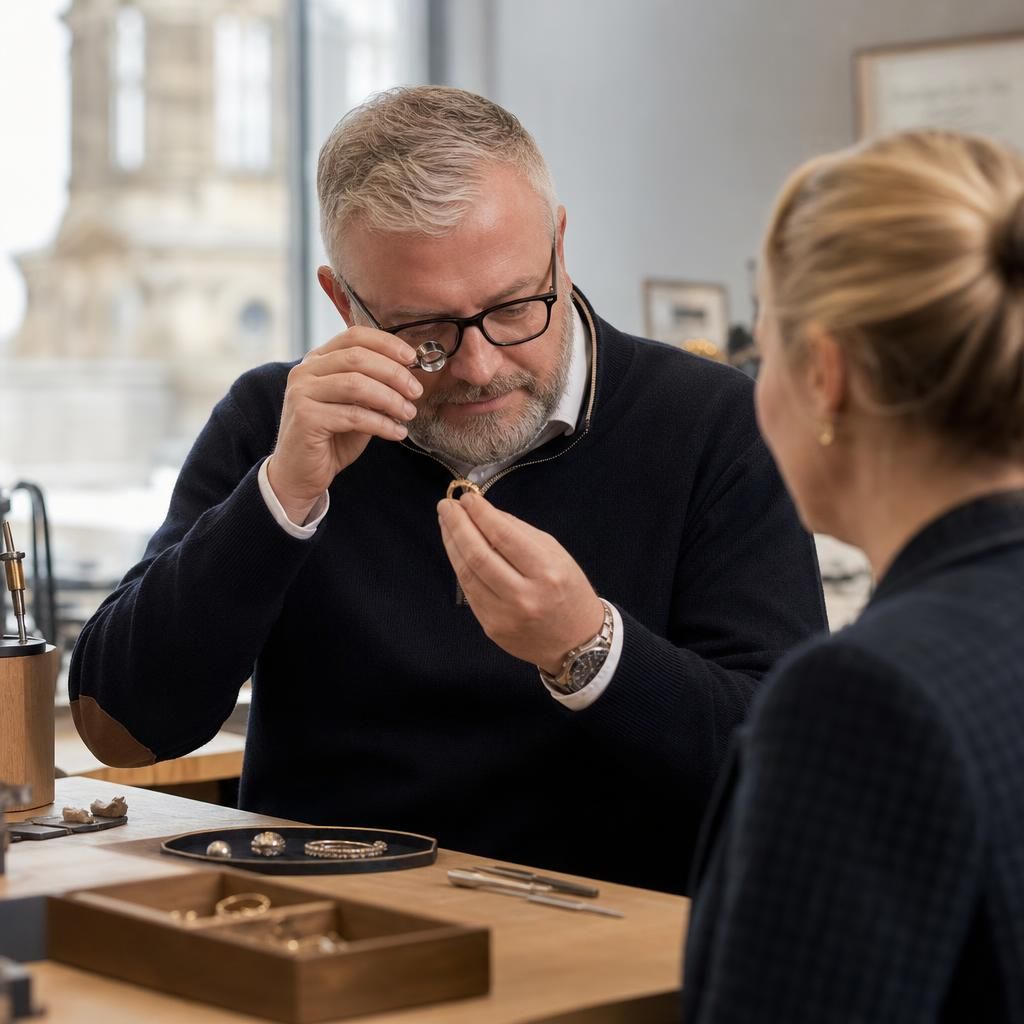
What questions should I ask about the jewellery materials that could affect the repair time?
When considering the repair time for your jewellery, it’s essential to ask about the materials used in the original piece as they can significantly impact the process. Factors such as the type of metal, the presence of precious or semi-precious stones, and any unique craftsmanship details play a crucial role in determining the complexity and duration of the repair work.
Understanding the materials in your jewellery is vital to accurately estimate repair time. Different materials can significantly affect how repairs are managed and completed. When examining your jewellery, consider the type of metal used. Precious metals like gold, platinum, and silver each have unique properties that may influence repair processes. Platinum, for example, is harder to work with due to its density, potentially extending repair times. Silver, being softer, can require more delicate handling to avoid further damage.
Beyond metals, the presence of stones also impacts repair duration. Diamonds, sapphires, and rubies are durable and generally withstand repair procedures without much risk. However, softer or more fragile stones like opals, turquoise, or certain antique gemstones demand meticulous attention and protective measures, which might increase the time needed for safe handling. Understanding the inclusion of each stone in your piece will allow you to anticipate any additional care required during repairs.
Another factor to discuss with your jeweller is the specific craftsmanship or design intricacies of your piece, as this can also influence repair time. Intricate designs, filigree work, or hand-engraved sections are more challenging to repair and might require specialist skills, which could affect how quickly repairs are completed. Finally, inquire about any specialised materials or treatments your jewellery might have. Certain finishes or coatings can necessitate specific repair techniques or additional steps to preserve their integrity.
By being well-informed about the materials and design elements in your jewellery, you can engage more effectively with your jeweller to set realistic expectations for repair timelines. This awareness ensures that your bespoke pieces receive the expert care they deserve, allowing for informed decisions regarding their maintenance and restoration.
When it comes to understanding the impact of jewellery materials on repair times, one essential consideration is the type of gemstones used in your pieces. Different gemstones possess varying levels of hardness and fragility, which can significantly influence the repair process. Hard stones like diamonds and sapphires typically withstand repairs with minimal risk, allowing for more straightforward repair procedures. However, softer stones such as opals or pearls require extra care to avoid damage, potentially extending the repair timeline. Knowing these distinctions can help you anticipate necessary precautions and timeframe adjustments, ensuring your jewellery receives the meticulous attention it requires.
Ask About Your Jewellery’s Materials and Repair Time
Ask our jewellery specialists how the metal, gemstones, setting and previous repairs may affect the repair time for your piece. We can assess the item and explain the expected turnaround before you approve the work.