
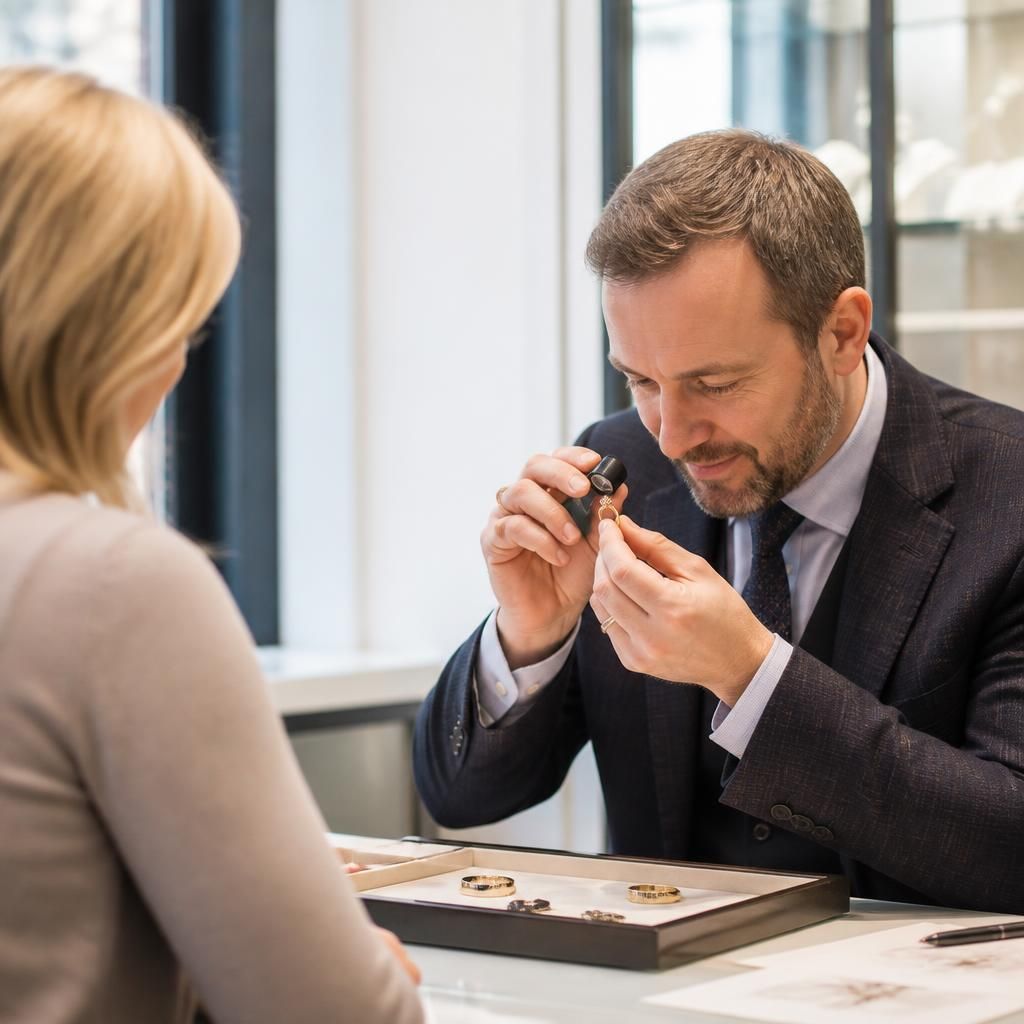
How long does jewellery remodelling typically take, and what should I expect during the process?
Jewellery remodelling typically takes several weeks, although the timescale depends on the design’s complexity, the condition of the original piece, the materials required and whether new gemstones must be sourced. You can expect an initial consultation and assessment, design development and approval, careful workshop manufacture, quality checks and a final fitting or collection appointment, with the timescale confirmed before work begins.
Jewellery remodelling usually takes several weeks from the initial consultation to completion, although the exact timescale depends on the design, the condition of the original piece, the materials being reused and whether additional gemstones or specialist components need to be sourced. A straightforward alteration may be completed more quickly, while a substantial redesign involving new settings, multiple stones or complex handcrafting will require more workshop time. A clear estimated timescale should be agreed before work begins.
The process will normally include the following stages:
The complexity of the project is the main influence on timing. A simple ring alteration or replacement setting may involve fewer stages than converting several inherited pieces into one new design. The condition of the original metal also matters. Metal that is thin, brittle, heavily worn or unsuitable for the proposed construction may need to be reinforced or replaced rather than reused. Likewise, gemstones with chips, worn facets or existing damage may require additional advice before they are incorporated.
External factors can also affect the expected completion date. These include the availability of a particular gemstone, the need for specialist cutting or engraving, complex hand-setting, required hallmarking and any unforeseen issue discovered when the item is dismantled. Jewellery that has been repaired previously may contain hidden joins or alterations that are not apparent during an initial visual inspection. If this happens, the appropriate options and any effect on cost or timescale should be explained before additional work is undertaken.
During the project, keep a record of the agreed design and confirm which original features are to be retained. If a gemstone, engraving, unusual setting or section of metal has particular sentimental importance, make this clear at the consultation. It is also sensible to ask how reusable materials will be identified, whether any surplus metal or removed components will be returned, and how the finished piece will be inspected before collection.
Once the remodelling is complete, check that the ring or jewellery fits comfortably, that stones are secure and that the finish matches the approved design. You should also receive suitable care advice, particularly if the new design has delicate settings or combines older gemstones with newly made components. Keep any paperwork, valuation information and care recommendations with your jewellery records.
For an accurate estimate, the original piece needs to be assessed in person or through suitable detailed images, depending on the project. The most useful information includes the type of jewellery, the proposed changes, any gemstones you want to retain and whether there is a required date. A design consultation allows the timescale to be confirmed realistically rather than relying on a general estimate.
The timescale for jewellery remodelling is mainly determined by the complexity of the new design and the condition of the original piece. A straightforward alteration may require limited workshop work, whereas a complete redesign can involve dismantling, stone assessment, new materials, specialist setting and detailed hand-finishing.
Before work begins, the proposed design, quotation and estimated completion date should be confirmed. The schedule may change if a gemstone needs specialist treatment, a hidden weakness is found when the jewellery is dismantled, or a particular material takes longer to source. Any significant change should be discussed with you before additional work proceeds, so you remain informed about both the revised timescale and any effect on cost.
- Design development: Your requirements are translated into a practical design. This may involve discussing the intended style, proportions, wearability, metal choice, gemstone arrangement and any new materials required. Where appropriate, sketches, computer-aided design images or other visual references can help you understand the proposed result before you approve it.
- Quotation and approval: You should receive details of the proposed work, the materials involved, the estimated cost and the anticipated timescale. Work should not proceed until the design and quotation have been approved. If a change is requested after approval, the design, price or completion date may need to be reviewed.
- Stone and material preparation: Reusable gemstones are removed and inspected carefully. They may require cleaning, repolishing or recutting, although recutting can alter their size, shape and value and should only be considered where appropriate. Any new gemstones, precious metal or specialist findings are sourced before manufacture, which can affect the schedule.
- Inspection and final adjustments: The finished jewellery is checked for structural integrity, secure stone settings, appropriate proportions and surface finish. Any necessary refinements are completed before the piece is returned. A final fitting may be required for a ring, particularly if the design has changed substantially or the finger size has altered.
Discuss your jewellery remodelling project
Discuss your jewellery remodelling project with our team to review the original piece, explore suitable design options and receive a realistic estimate of the timescale and cost.