
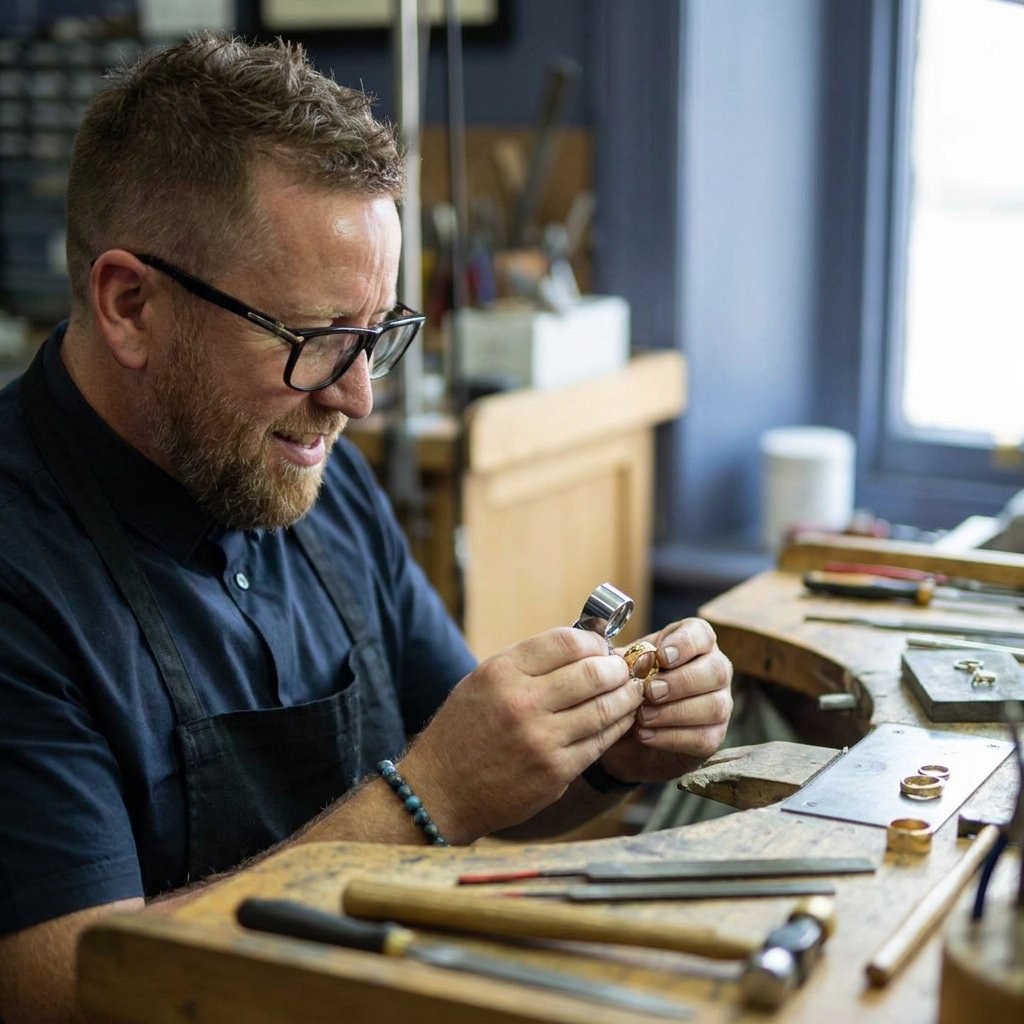
What should I consider before having my ring resized by a goldsmith?
Before having your ring resized by a goldsmith, consider the type and condition of the metal, as certain materials like titanium may present more challenges in resizing. Additionally, evaluate the complexity of your ring’s design; intricate patterns or settings might affect the resizing process. It’s also important to be aware of the potential impact on any gemstones, particularly if they are set into the band. Collaborating with an expert like Steven Charles Quance can ensure your ring is resized with precision, preserving its unique characteristics and value.
When planning to have your ring resized by a goldsmith, consider several critical factors to ensure both the aesthetic and structural integrity of the piece are maintained. To begin with, assess the material of your ring. Gold, platinum, and palladium are commonly used for resizing, as their ductility allows for easy adjustments. However, metals like titanium and tungsten are less flexible, often requiring more advanced techniques or even replacement rather than resizing.
Another important consideration is the current condition and complexity of your ring’s design. Rings with intricate details, ornate engravings, or elaborate settings may pose challenges during resizing, as these features can be distorted or compromised in the process. A seasoned goldsmith, like Steven Charles Quance, can provide expert guidance in maintaining the ring’s original charm while altering its size.
If your ring features gemstones, particular attention must be paid to the setting and location of these stones. Resizing can affect the tension and positioning, risking stone loosening or damage. Prong-set stones close to the resizing area, for example, might need additional securing post-adjustment. Moreover, certain gemstones, such as opals and pearls, are more sensitive to heat and pressure, necessitating special consideration to prevent damage during the resizing process.
Understanding the potential impact of resizing on your ring’s value is also essential. Any modification to the ring should preserve its worth, especially if it holds significant sentimental or monetary value. It is advisable to have a valuation done before and after the resizing to ensure its authenticity and worth remain intact.
Lastly, consider the aftercare options available following the resizing. Steven Charles Quance provides a comprehensive aftercare service, ensuring that your resized ring continues to meet your expectations in terms of fit and finish. Such services often include re-polishing, secure gemstone setting checks, and ongoing maintenance advice.
Choosing the right type of metal for your ring can significantly influence the ease and success of the resizing process. Gold, platinum, and palladium are among the most commonly resized metals due to their malleability and durability, making them suitable candidates for adjustments. However, materials like titanium, tungsten, and even some stainless steel rings can be notably more challenging to resize. This is because these metals are more resistant to traditional methods of resizing and often require specialised techniques or machinery, which can incur additional costs or lead to potential replacement if resizing isn’t feasible.
Book a Ring Resizing Consultation
If you are considering having your ring resized, book a ring resizing consultation so we can assess its construction, gemstones and metal before recommending the safest option.
Speak to your personal jeweller
Every commission begins with a conversation. Arrange an appointment in the Birmingham Jewellery Quarter or talk it through by phone.