
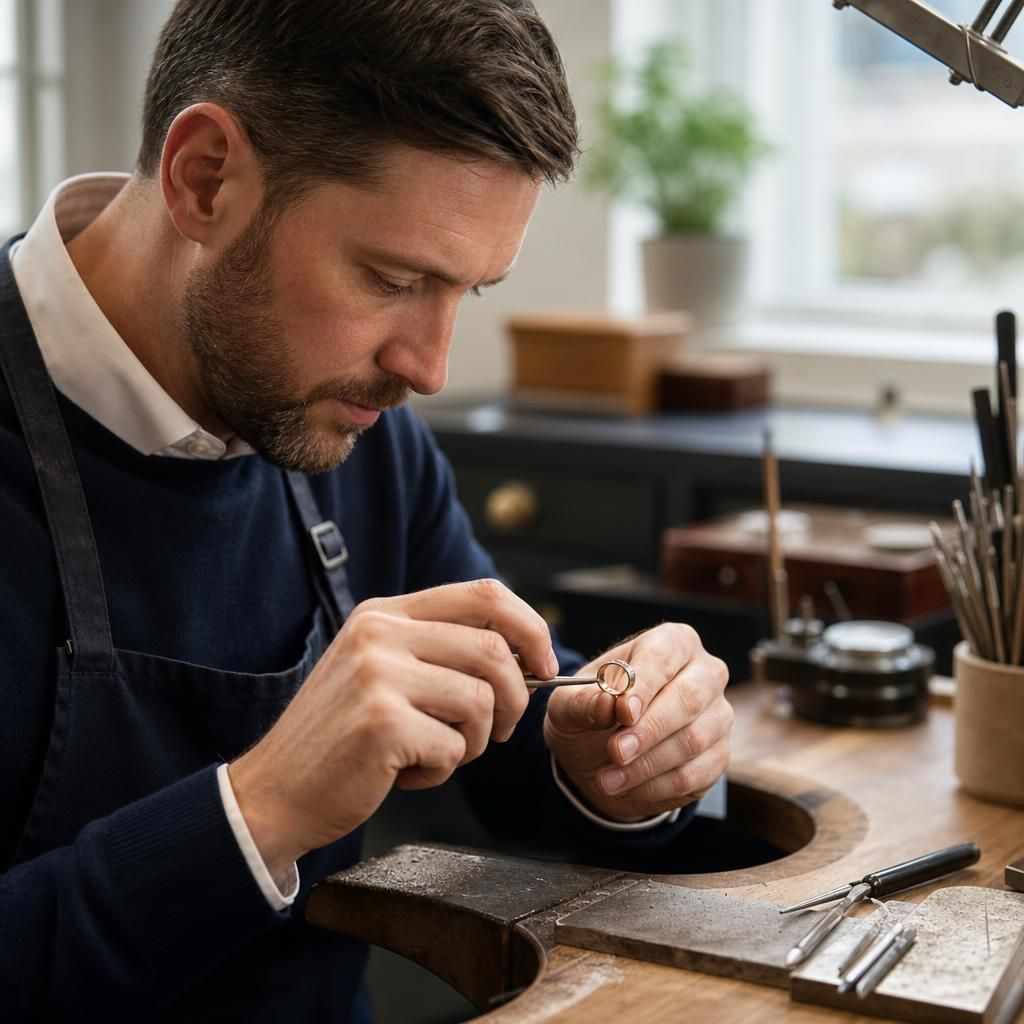
How does the type of metal in your ring affect the resizing options?
The metal type of your ring significantly influences the resizing options available due to the unique properties of each metal. Gold and platinum are more malleable, making them easier to resize both up and down, while metals like titanium are more challenging and may have limitations.
The type of metal used in the construction of a ring plays a crucial role in determining its resizing options. Metals such as gold and platinum, owing to their malleability, allow for more flexibility in resizing processes. These metals can generally be resized both up and down with relative ease, making them a preferred choice for those who anticipate the need for adjustments in the future. Gold, with its well-established use in jewellery crafting, is available in various karats, each representing a different degree of purity and hardness. Generally, higher karat gold is softer and more accommodating for resizing tasks. Platinum, known for its durability and density, also offers good resizing capabilities while maintaining the integrity and strength of the band.
In contrast, metals like titanium and tungsten are considerably more challenging to resize due to their hardness. Titanium rings, renowned for their incredible strength and lightweight nature, often require specialised equipment and expertise to attempt any resizing, and even then, the options may be limited. Tungsten, known for its extreme hardness and resistance to scratches, typically does not lend itself to traditional resizing methods. Customers may be advised to consider alternative solutions, such as ordering a new size if feasible.
Silver, although softer and less costly, is also relatively easy to resize. It is a good choice for those seeking affordability alongside flexibility for future resizing needs. Palladium, similar to platinum in appearance and composition, also offers good resize potential, though it is slightly less common.
It is worth noting that each metal’s specific alloy and composition can further influence its resizing capabilities. For intricate rings that include gemstones or detailed designs, the expertise of a skilled jeweller, like those at Steven Charles Quance, ensures that the resizing process considers the unique properties of both the metal and any additional elements. As a valued customer, you can trust our proficiency in managing these nuances to maintain the beauty and fit of your bespoke jewellery pieces.
When considering resizing options for your ring, understanding the malleability and properties of the metal is crucial. This key factor significantly influences the ease and methods available for adjusting the size of the ring. Metals like gold and platinum, known for their softness and malleability, offer more straightforward resizing capabilities. Their ability to be easily shaped and formed makes them an ideal choice if you anticipate needing size adjustments in the future.
However, if your ring is made from less malleable metals like titanium or tungsten, resizing becomes more complex. These harder metals often require specialised skills and tools due to their durability and resistance to traditional resizing methods. In such cases, alternative solutions, such as ordering a new size, might be necessary. At Steven Charles Quance, our experienced jewellers possess the expertise required to navigate these challenges and ensure your ring remains a perfect fit, regardless of the metal’s properties.
Discuss Your Ring Resizing Options With Our Goldsmith
Discuss your ring’s metal, design and required size change with our goldsmith to confirm the safest resizing option. Contact Steven Charles Quance for expert advice and a precise assessment before work begins.
Speak to your personal jeweller
Every commission begins with a conversation. Arrange an appointment in the Birmingham Jewellery Quarter or talk it through by phone.