
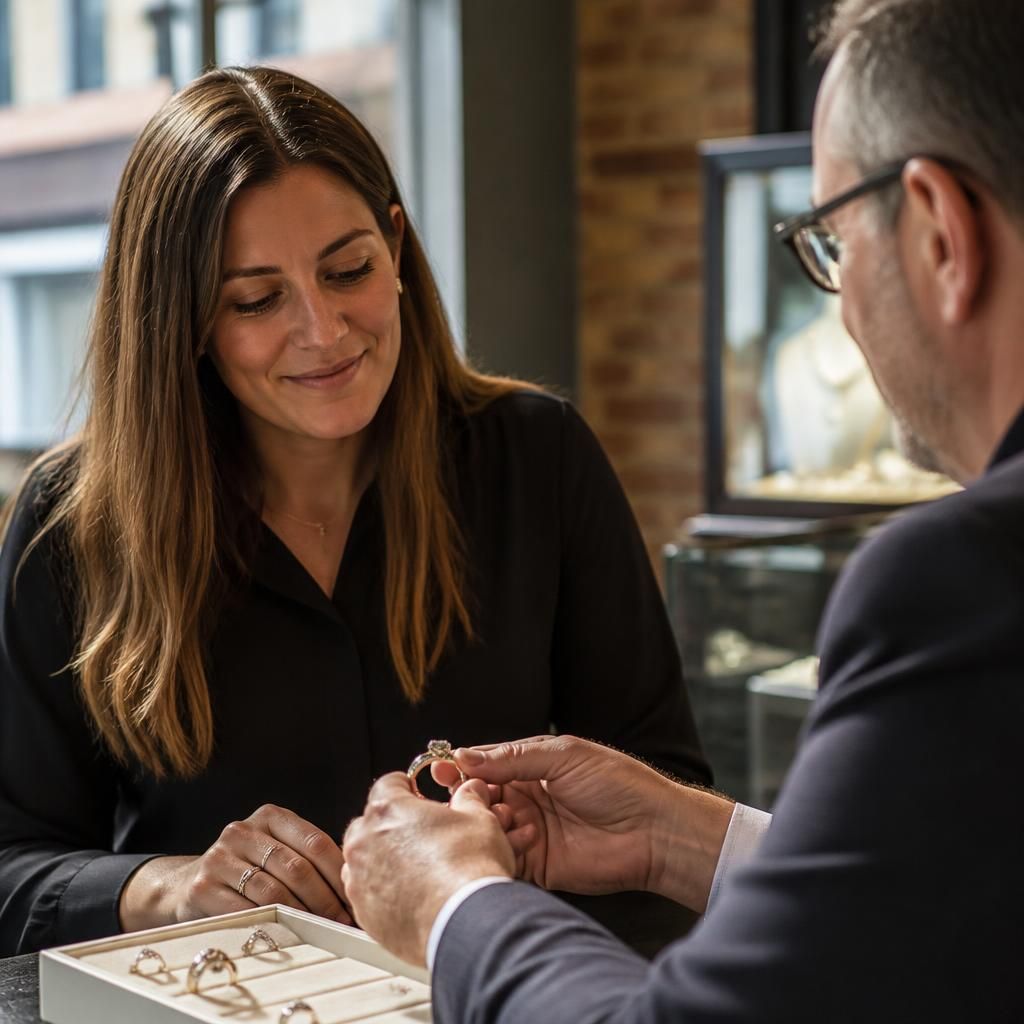
What are the benefits of purchasing second-hand jewellery?
Purchasing second-hand jewellery can offer distinctive designs, better value than comparable new pieces and a more sustainable way to enjoy precious metals and gemstones. Pre-loved jewellery may also have established craftsmanship and character, provided its condition, authenticity and any required repairs are carefully assessed.
Purchasing second-hand jewellery can provide better value, distinctive designs and a more sustainable way to own precious metals and gemstones. Pre-loved pieces may also offer established craftsmanship, historical character and details that are not commonly found in current collections. The benefits are strongest when the item’s materials, condition, authenticity, provenance and any required repairs have been assessed properly.
Better value for precious materials
A second-hand piece may cost less than a comparable newly made item because its price is not based solely on the current cost of manufacture and retail presentation. This can make higher-quality materials, more substantial settings or fine workmanship accessible at a more considered price. The saving is not automatic, however. Desirable gemstones, rare designs, recognised makers and well-preserved vintage jewellery can command significant prices. Value should therefore be assessed by comparing the quality, condition and design of the actual piece, rather than assuming that every used item is inexpensive.
It is also important to distinguish between retail value, insurance value and scrap value. The weight of the precious metal is only one part of a jewellery valuation. Gemstones, workmanship, age, design, condition and market demand may all affect the price. A professional explanation of these factors helps you understand whether a piece represents good value for your intended use.
Access to distinctive and discontinued designs
Second-hand jewellery offers access to pieces that may no longer be made. This can include vintage engagement rings, older signet rings, unusual earrings, traditional brooches and jewellery with design details from a particular period. Pre-loved collections can be especially useful when you want something less uniform than contemporary, mass-produced styles.
Older jewellery may feature hand-finished details, unusual proportions, coloured gemstones or setting techniques that are uncommon in modern ranges. A piece can also carry a sense of design history without requiring a completely new commission. For gifts and significant occasions, a distinctive design may feel more personal than selecting a readily available style.
Established craftsmanship and character
Many older pieces were made by skilled craftspeople and have developed a natural patina through use. Fine hand engraving, milgrain edges, pierced work and carefully formed settings can contribute to a character that is difficult to replicate. Small marks may be part of a piece’s history, although they should not be confused with damage that could affect its strength or security.
Character should be considered alongside condition. A ring may have worn claws, a thin shank or evidence of previous resizing, while a bracelet may have stretched links or a weakened clasp. These issues do not necessarily make a piece unsuitable, but they should be identified and costed before purchase. Expert inspection can establish whether restoration, cleaning or repair is advisable.
A more sustainable use of existing materials
Buying pre-loved jewellery keeps an existing item in use and makes use of precious metals and gemstones that have already entered circulation. This can reduce the need for a newly manufactured piece and avoids discarding jewellery simply because its original owner no longer wears it. Remodelling or repairing an inherited or unwanted item can extend this benefit further.
Sustainability still requires careful consideration. A second-hand item may need extensive restoration, replacement stones or newly manufactured components. Ask what work has been completed and whether repairs preserve the original design. Where a new item is more suitable, responsible sourcing and transparent information about materials remain important considerations.
Potentially meaningful provenance
Some pre-loved jewellery has a known history, such as an inherited ring, a vintage watch or a piece associated with a particular period. Provenance can add personal and cultural interest, although it should not be assumed or exaggerated without supporting information. If a piece is described as antique, vintage, signed or made by a particular designer, request evidence where appropriate.
Provenance should be treated separately from authenticity. A family story can explain how an item was acquired, but it does not by itself confirm the metal fineness, gemstone identity or maker. Hallmarks, condition, construction and professional testing all contribute to a reliable assessment.
More choice when finding a particular item
Second-hand stock changes continually, so it can be useful when looking for a specific style, period, gemstone colour or ring shape. It may also provide alternatives when a new design does not suit your budget or preferred proportions. Allow time to compare pieces and consider whether the item can be adjusted safely to fit your requirements.
For rings, check the current size, the possibility of resizing and whether the shoulders or setting restrict alteration. For necklaces and bracelets, examine the clasp, links and overall length. For earrings, check that the posts and fittings are secure and that any matching stones are appropriately paired. Watches require additional checks, including movement condition, service history, water resistance and the availability of suitable replacement parts.
The opportunity to remodel or personalise
Pre-loved jewellery does not always need to remain unchanged. A ring may be resized, a pendant may be adapted, or suitable stones may be incorporated into a new design. Remodelling can preserve valuable materials and retain a meaningful element while creating a piece that better suits your style.
Not every item is suitable for alteration. Removing stones, changing a setting or significantly reducing a band can affect structural integrity and value. A jeweller should assess the construction before work begins and explain the likely result, costs and any limitations. It is sensible to agree the design and condition of the item in writing before commissioning alterations.
What to check before buying
A professional valuation may be worthwhile for insurance or estate planning, but it is not the same as a guarantee that the item will sell for that amount. Keep invoices and any supporting documentation with the jewellery, particularly where the piece contains valuable gemstones or has identifiable provenance.
Second-hand jewellery is therefore most beneficial when you value individuality, existing craftsmanship and responsible ownership, while taking a careful approach to condition and authenticity. With appropriate inspection and aftercare, a pre-loved piece can offer practical value, a distinctive design and the opportunity to enjoy fine jewellery without commissioning every element from new.
One of the clearest benefits of purchasing second-hand jewellery is the opportunity to access better materials or more distinctive workmanship at a lower price than a comparable newly made piece. The price may reflect the item’s age and previous ownership rather than the full cost of manufacturing a new design, allowing you to consider heavier precious-metal settings, unusual gemstones or established craftsmanship within your budget.
Value should not be judged by weight alone. Gemstone quality, maker, design, condition, hallmarks and current demand all affect the price, while repairs or resizing may add to the overall cost. A careful inspection and clear explanation of any required work help you compare the piece fairly with new jewellery and make an informed decision.
- Confirm the metal type and fineness from hallmarks, testing and any available documentation.
- Ask whether gemstones are natural, laboratory-grown, treated, composite or imitation, and whether this affects the price or care requirements.
- Inspect claws, settings, joints, clasps, hinges and the inside of rings for wear or previous repairs.
- Check whether the piece has been resized, replated, restored or modified.
- Establish what is included with the purchase, such as a valuation, box, papers or aftercare.
- Obtain a clear explanation of the condition and any work recommended before regular wear.
Explore our pre-loved jewellery collection
Explore our pre-loved jewellery collection to compare distinctive designs, materials and condition. If you need help assessing a piece or finding a particular style, speak to our team for expert guidance.
Speak to your personal jeweller
Every commission begins with a conversation. Arrange an appointment in the Birmingham Jewellery Quarter or talk it through by phone.