
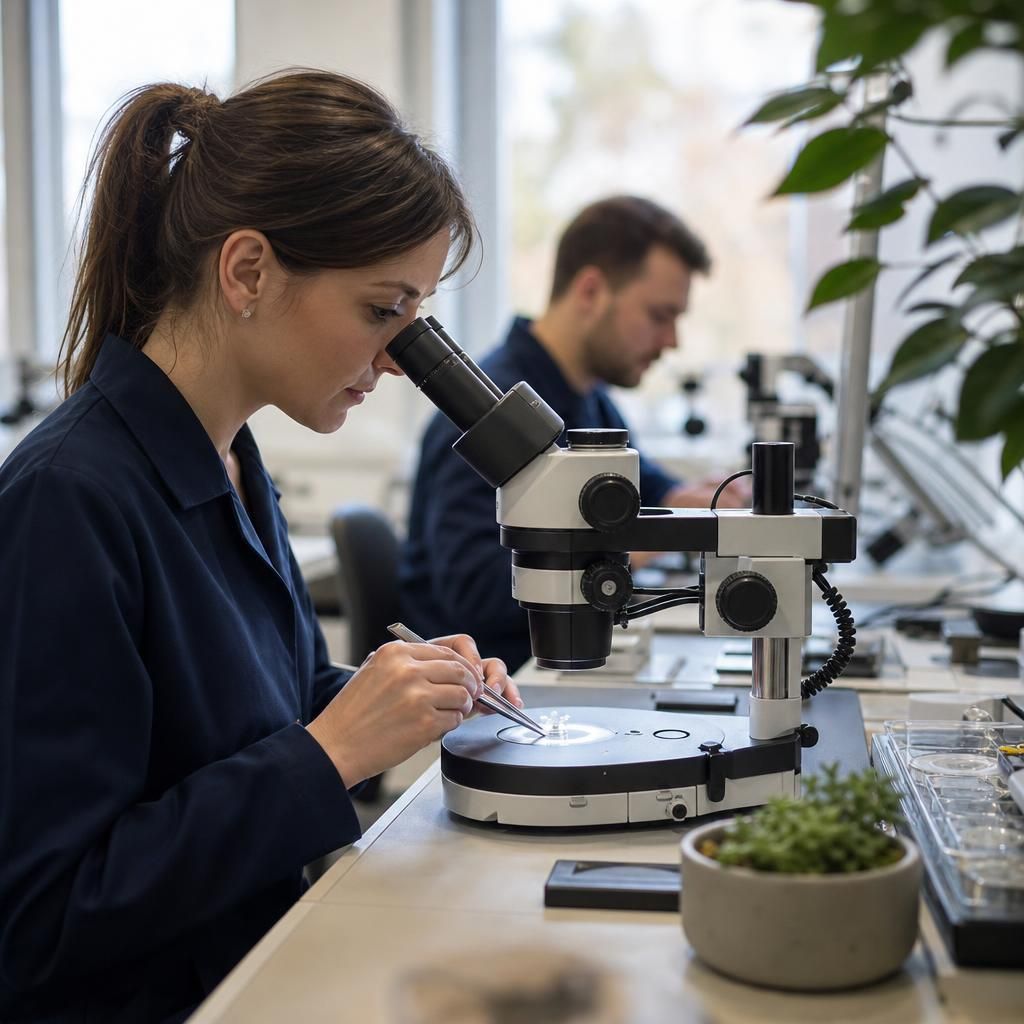
What environmental benefits do lab diamonds offer compared to natural diamonds?
Lab diamonds, compared to natural diamonds, offer notable environmental benefits by reducing the ecological impact often associated with traditional diamond mining. Unlike natural diamond extraction, which can lead to significant land disruption and habitat destruction, lab-grown diamonds are produced in controlled settings, significantly minimising environmental degradation and conserving natural resources.
Lab diamonds are becoming an increasingly popular choice for environmentally conscious jewellery enthusiasts. Unlike natural diamonds that are extracted through extensive mining processes, lab diamonds are created above ground using high-tech practices that drastically reduce the ecological footprint. The creation of lab diamonds requires less land disturbance, thereby avoiding the large-scale removal of earth and the deforestation often associated with traditional mining methods. This means that natural landscapes, along with the flora and fauna they support, remain largely intact.
Moreover, producing lab diamonds is an energy-intensive process, but technological advancements are continuously making it more energy-efficient. The carbon footprint of lab-created diamonds remains significantly lower than that of mined diamonds, especially as renewable energy sources are increasingly integrated into their production. This shift helps to lessen the reliance on fossil fuels, contributing to a reduction in carbon emissions.
Lab diamonds also offer benefits in terms of water conservation. Traditional diamond mining consumes vast quantities of water, which can raise concerns in areas suffering from water scarcity. In contrast, lab diamond processes require much less water, conserving this critical resource. The closed systems used in lab environments allow for more precise control and recycling of resources, minimising waste.
For customers who are concerned about the broader environmental and ethical implications of their jewellery choices, lab diamonds provide a transparent and sustainable option. By choosing lab-grown diamonds, customers are supporting a shift towards more eco-friendly industry practices, reducing their personal environmental impact while still enjoying the allure and brilliance that diamonds are known for.
In summary, the environmental benefits of lab diamonds are substantial, ensuring that clients can indulge in luxury jewellery without compromising their values regarding the planet’s ecological health. For clients of Steven Charles Quance, these diamonds offer a blend of elegance and responsibility, aligning with our commitment to ethical and sustainable craftsmanship.
The water conservation advantages of lab diamonds are a significant environmental benefit compared to natural diamonds. Traditional mining operations often require substantial water resources, contributing to potential depletion and competition for water in areas that may already face scarcity. In lab-grown diamond production, water usage is notably lower, primarily because of the controlled settings in which these diamonds are created. By using advanced technologies, labs can recycle and manage water more efficiently, minimising waste and avoiding unnecessary consumption of this precious resource. For the environmentally mindful client of Steven Charles Quance, the lower water footprint of lab diamonds aligns with their values, offering a sustainable alternative that supports the preservation of vital natural resources while maintaining the luxury and allure they desire in high-quality jewellery.
Discuss an Eco-Conscious Lab Diamond Design
Discuss an eco-conscious lab diamond design with our jewellery specialists, including your preferred cut, setting and metal. We can help you create a bespoke piece that reflects your requirements and sourcing priorities.
Speak to your personal jeweller
Every commission begins with a conversation. Arrange an appointment in the Birmingham Jewellery Quarter or talk it through by phone.