
What are the cost factors involved in jewellery remodelling?
The cost of jewellery remodelling depends on the design’s complexity, the labour required, and the materials used, including any new or replacement gemstones and precious metal. The condition and suitability of the existing piece, along with services such as resizing, setting, polishing or valuation, can also affect the final price.
The cost of jewellery remodelling is determined mainly by the design complexity, the time and skill required, the precious metals and gemstones used, and the condition of the original piece. The final price may also include design development, specialist setting, repairs, hallmarking, polishing, valuation and any new materials needed to complete the redesigned piece.
Every remodelling project is assessed individually. Two pieces that appear similar may have very different costs because of differences in construction, gemstone condition, metal weight, setting style and the amount of hand-finishing required. An initial consultation and inspection establish which parts can be safely reused and which components may need replacing.
Design complexity and construction
A straightforward alteration, such as resizing a plain ring or adapting an existing setting, generally requires less work than creating a completely new design. Costs can increase when a project involves an intricate structure, multiple stones, detailed engraving, unusual proportions, articulated parts or a design that must combine several existing items.
The way a piece is made also affects the work involved. A remodel may require the original jewellery to be dismantled, individual components cleaned and assessed, and a new framework produced around the usable materials. Designs with fine claws, enclosed settings or closely spaced gemstones require careful measurements and precise finishing to ensure that the completed piece is secure and wearable.
Craftsmanship and labour
Remodelling is not simply a matter of melting down metal or moving stones from one setting to another. The jeweller may need to remove stones safely, test and prepare the metal, produce or adapt components, set the gemstones, solder or construct the piece, and complete several stages of filing, polishing and inspection.
Handcrafted details usually require more time than a simple, minimally altered design. The price reflects the expertise involved as well as the practical labour, particularly where the work requires specialist stone setting, engraving, delicate repairs or a high level of symmetry and finish.
Precious metal requirements
The existing metal may be reused where its composition, condition and quantity are suitable for the proposed design. However, the original piece may not contain enough metal to create the new structure, particularly if the redesign is larger, wider or more substantial than the starting item. Additional gold, platinum or another suitable precious metal may then be required.
Metal colour and fineness can also influence the price. Matching an existing alloy or combining different colours may involve additional preparation, and platinum or certain gold alloys can require specific manufacturing and finishing methods. If metal is melted, some material may be lost during the process, so the amount available for reuse is not always equal to the item’s original weight.
Gemstones and their suitability
Existing gemstones can reduce the need to purchase replacements, but they still need to be inspected before they are incorporated into a new design. The assessment considers condition, durability, chips, abrasions, inclusions, dimensions and whether the stone is suitable for the intended setting and everyday use.
Some stones may need repolishing or recutting, while others may be unsuitable for removal or reuse because of damage or fragility. If additional gemstones are required to complete a matching arrangement, their type, size, quality, cut and origin will affect the price. The cost may therefore include both the stones themselves and the specialist work needed to set them securely.
The condition of the original jewellery
Wear, previous repairs and hidden damage can affect the scope of a remodel. Thin or worn metal, stretched settings, loose claws, deep scratches, fractures and poorly executed earlier alterations may need to be repaired before the piece can be redesigned. Removing old settings can also reveal weaknesses that were not visible during an initial visual inspection.
Where the original item is structurally sound, more of its components may be reusable. Where it is heavily worn, the safest approach may be to retain selected gemstones or sentimental details while creating a new, stronger setting. This can cost more than a simple alteration but may provide better durability and security.
Design and consultation work
The design stage may involve sketches, measurements, discussions about wearability and revisions to the proposed form. A more involved design process requires additional planning, especially when the remodel must accommodate inherited stones, combine several pieces or preserve a particular feature.
Computer-aided design, wax or resin models and other visual or practical checks may be appropriate for some projects. These tools help assess proportions, stone placement and comfort before manufacture, although the need for them depends on the design rather than being necessary for every remodel.
Additional services that may affect the price
- Resizing or reshaping: The finished item may need to be adjusted for a precise and comfortable fit.
- Stone removal and resetting: Gemstones must be handled carefully, checked and secured in the new setting.
- Repairs: Worn claws, damaged shanks, broken links or weakened joints may need attention.
- Engraving: New or replacement engraving adds design and finishing work.
- Polishing and surface finishing: Different finishes, such as a high polish or satin surface, require specific preparation.
- Hallmarking: Where applicable, the finished item may need to be submitted for independent hallmarking, with associated charges and handling time.
- Valuation: A valuation for insurance or personal records is separate from the design and manufacturing cost and should reflect the completed item.
Why an initial estimate may change
A quotation is based on the information available when the item is assessed. It may need to be reviewed if dismantling reveals damage, if a gemstone is found to be unsuitable, if the required metal weight changes, or if the design is altered during development. Any significant change should be discussed and agreed before additional work is carried out.
For a clearer comparison between options, ask for the proposed work to be explained in stages. This should distinguish the cost of design and labour from new metal, replacement gemstones, repairs and optional services. It is also useful to confirm what happens if some original materials cannot be reused and whether unused metal or stones will be returned.
Remodelling can make practical and financial sense when suitable metal or gemstones are retained, but reuse should never be assumed to make a project inexpensive. The safest and most accurate price comes from assessing the original jewellery, agreeing the design, confirming which materials will be used and identifying any necessary remedial work before manufacture begins.
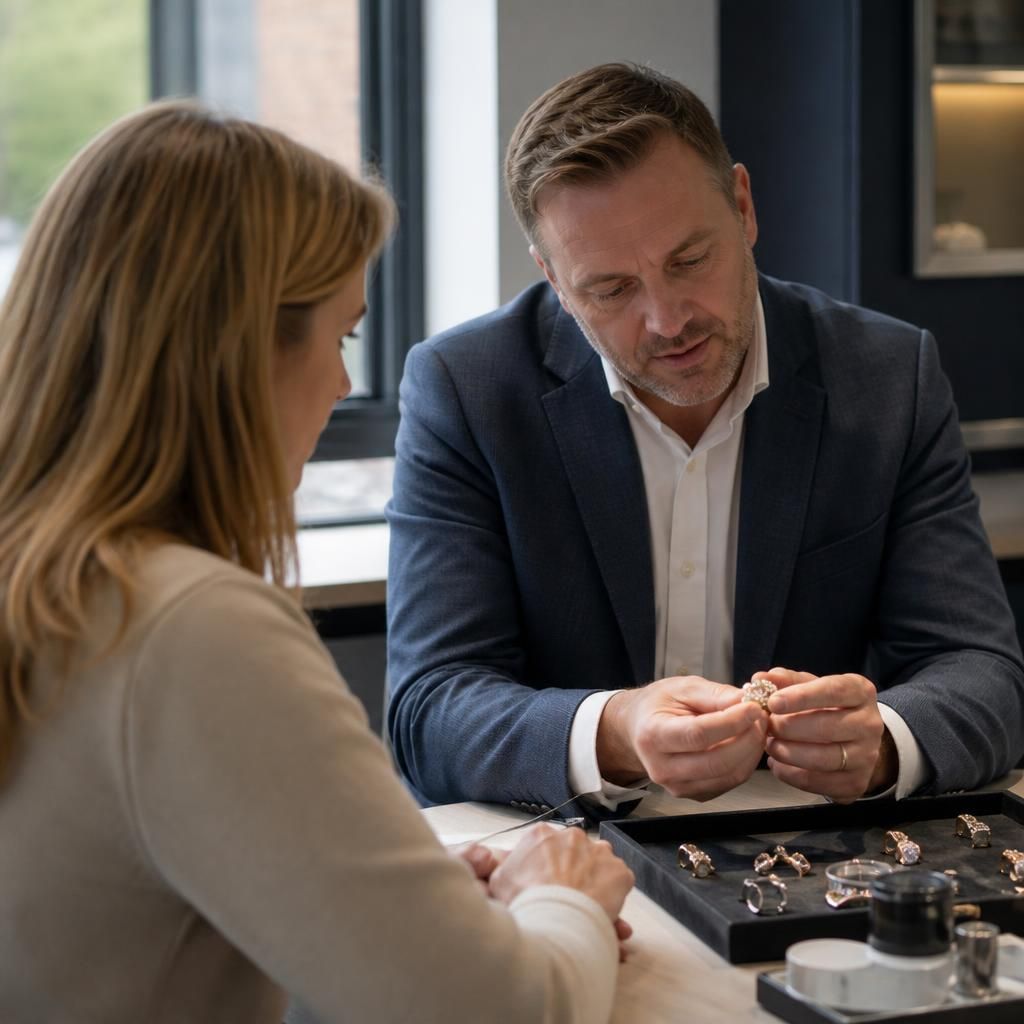
Jewellery remodelling costs cannot be confirmed from the original piece’s weight alone. An inspection is needed to establish whether the metal can be reused, whether gemstones are safe to remove and reset, and whether worn settings or hidden damage require repair before the redesign begins.
A clear estimate should separate design and craftsmanship from new metal, replacement gemstones, repairs and optional services such as engraving, hallmarking or valuation. If dismantling reveals unexpected damage or a stone proves unsuitable for reuse, the proposed cost may change; any significant alteration should be explained and agreed before further work is carried out.