What specific aspects should be considered when valuing lab-created diamonds for probate purposes, and how do they differ from natural diamonds in this context?
When valuing lab-created diamonds for probate purposes, it is crucial to consider their origin, market demand, and current market value. Unlike natural diamonds, lab-created diamonds can have a distinct valuation approach due to their manufacturing processes and quicker supply adaptability. The appraisal should also factor in the ethical considerations and technological aspects influencing the perceived value of lab-created stones in comparison to their natural counterparts. This ensures an accurate reflection of worth for probate proceedings, catering to the nuanced differences between the two types of diamonds.
When valuing lab-created diamonds for probate purposes, several specific factors must be considered to ensure an accurate assessment. Lab-created diamonds, also known as synthetic diamonds, are produced in controlled environments and therefore differ fundamentally from natural diamonds, which are formed over millions of years. One of the primary considerations is the current market value of lab-created diamonds, which can fluctuate based on changes in consumer preferences and technological advancements that affect production costs.
While lab-created diamonds are chemically identical to natural diamonds, their manufacturing process allows for greater supply control and often results in a lower market price compared to natural diamonds of similar size and quality. Therefore, the valuer must be adept at distinguishing between the different valuation strategies for lab-created versus natural diamonds. This distinction is crucial, as it directly impacts the estimated worth of the diamond for probate purposes.
Ethical sourcing is another important aspect when valuing lab-created diamonds. Many consumers choose lab-grown options for their environmentally friendly and conflict-free origins, which may increase their perceived value. However, it is important for the valuer to assess how these ethical considerations affect the diamond’s market value rather than assuming a uniform premium.
Additionally, understanding the technological nuances that differentiate lab-created diamonds is critical. Advancements in production techniques can lead to variations in quality, which must be accounted for during valuation. The appraiser should consider grading reports and certificates from reputable diamond laboratories, as these documents provide an objective measure of the diamond’s quality.
Ultimately, valuing lab-created diamonds in probate requires a comprehensive approach that considers current market dynamics, ethical implications, and the technological facets of production. By focusing on these elements, the valuation can accurately reflect the true worth of the diamond, providing clarity in the often complex probate process.
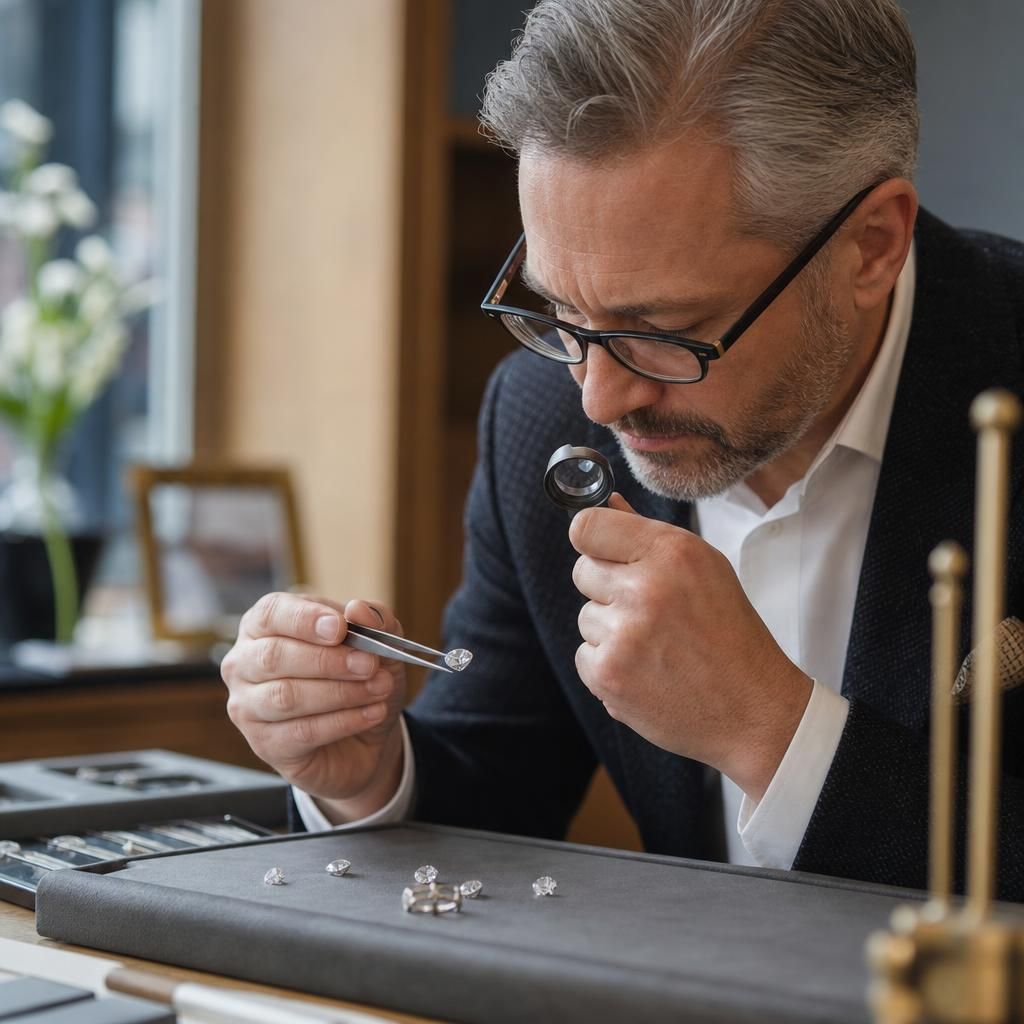
One key aspect of valuing lab-created diamonds for probate is understanding how their market value is influenced by supply and demand dynamics, distinct from natural diamonds. Lab-created diamonds are produced in laboratories, allowing for a control over supply that is not possible with natural diamonds, which are finite and mined from the earth. This control can lead to different pricing structures, generally resulting in lower market prices for lab-grown diamonds. Consequently, the assessment for probate should reflect these pricing models, ensuring an equitable valuation.
Arrange a Probate Valuation for Your Lab-Created Diamond
Arrange a professional probate valuation for your lab-created diamond to establish an accurate value based on its quality, condition and relevant market evidence. Contact Steven Charles Quance for expert guidance and a valuation prepared for probate purposes.