
What are the considerations for maintaining second-hand jewellery?
Maintaining second-hand jewellery requires care tailored to its age, condition, metal and gemstones, including gentle cleaning, safe storage and regular checks for loose stones, worn settings or weakened clasps. Avoid harsh chemicals and abrasive methods, and arrange professional cleaning, repairs or valuation advice when a piece shows damage or needs specialist attention.
Maintaining second-hand jewellery means adapting care to its age, previous wear, metal, gemstones and construction. A pre-owned piece may have worn claws, thinning settings, softened hallmarks, weakened clasps or repairs that are not immediately visible, so gentle day-to-day handling and periodic professional checks are important.
Begin with a condition check
Before wearing a second-hand item regularly, inspect it in good light. Look for movement in gemstones, gaps beneath claws, a loose chain link, a clasp that does not close firmly, thinning at the back of a ring or deep scratches around previous repairs. Check that earrings have secure fittings and that hinged pieces open and close without resistance. If anything feels loose, catches on fabric or has changed shape, stop wearing it until it has been assessed.
Previous resizing or repair can affect how a piece should be handled. A ring that has been made larger or smaller may have a thinner section at the join, while an older setting may not tolerate repeated knocks. Professional inspection can identify weakened areas before a stone is lost or a fitting fails.
Clean according to the materials
For many sound gold or platinum pieces containing durable, securely set gemstones, warm water, a small amount of mild washing-up liquid and a soft brush are suitable. Brush gently around the back of settings, where soap, hand cream and dust can collect, then rinse carefully and dry with a soft, lint-free cloth. Keep a bowl or plug the sink when rinsing so the jewellery cannot fall into the waste.
Do not use the same method for every piece. Porous or treated gemstones, pearls, opals, emeralds and some vintage materials can be damaged by soaking, heat, chemicals or vigorous brushing. Silver may tarnish naturally, but aggressive polishing can remove detail from engraved, oxidised or antique finishes. Gold-plated or vermeil surfaces can also wear through if rubbed too firmly. When the materials or previous treatments are uncertain, ask for professional cleaning advice rather than experimenting with a household product.
Avoid bleach, chlorine, abrasive powders, toothpaste, jewellery dips of unknown suitability and fragranced cleaning products. These may discolour metal, damage surface treatments or weaken some stones and settings. Ultrasonic and steam cleaning are not appropriate for every item; they can aggravate fractures, loosen stones or harm delicate construction, particularly in older jewellery.
Protect jewellery during everyday wear
- Remove rings before gardening, DIY, lifting heavy objects, swimming, bathing and using cleaning products.
- Put jewellery on after applying perfume, hairspray, cosmetics and hand cream, allowing products to dry first.
- Take off chains and bracelets for activities that may catch or pull them.
- Keep separate pieces apart to prevent scratches, tangling and contact between harder and softer materials.
- Handle vintage and delicate items by their edges or metal rather than pressing directly on a gemstone.
Gold and platinum are durable but not scratch-proof, and repeated impact can deform settings. Softer gemstones and pearls need particular care, as everyday contact with hard surfaces can cause chips or abrasion. A ring worn constantly may need closer monitoring than a pendant or pair of earrings because it is exposed to more knocks.
Store pieces safely
Store clean, dry jewellery in a lined jewellery box or individual soft pouches. Keep chains fastened loosely to reduce tangling, and avoid placing heavy items on delicate ones. Pearls should be kept away from dry heat, cosmetics and rough surfaces. Silver benefits from an appropriate anti-tarnish environment, but anti-tarnish materials should not be allowed to rub against fragile finishes. Do not leave jewellery in a bathroom, where humidity and changing temperatures can accelerate tarnishing and affect some materials.
Keep important pieces in a secure location when they are not being worn. If jewellery is insured, retain its valuation, purchase information and any repair records. Photographs and descriptions can also help with future valuations or insurance updates, particularly where an item has distinctive engraving, gemstone characteristics or historical workmanship.
Arrange professional checks and repairs
Professional cleaning is more than cosmetic. During an inspection, the settings, claws, soldered joins, hinges, clasps and chain links can be examined for wear. This is especially useful for second-hand jewellery with an unknown service history or visible signs of previous alteration. A jeweller can recommend whether a piece needs cleaning, polishing, claw work, restringing, clasp repair, remodelling or more extensive restoration.
Do not postpone repairs if a stone rattles, a claw catches on clothing, a clasp opens unexpectedly or a ring has become misshapen. Continuing to wear the item may turn a straightforward repair into a lost stone or more substantial restoration. Ask for an assessment before polishing an older piece, as removing surface marks may also remove hallmarks, engraving or desirable evidence of age.
Valuation advice may also be appropriate when the jewellery has changed significantly, undergone substantial repair or is being added to an insurance policy. A valuation is separate from a condition report: it considers value for a stated purpose, while a condition assessment records the physical state and recommended work.
Use care suited to the jewellery’s history
Pre-loved jewellery can include handmade, antique, vintage, remodelled or previously repaired pieces, each with different maintenance needs. Preserve original features where possible, but do not assume that age alone makes a piece fragile. Equally, a modern-looking item may contain delicate settings or treated gemstones. The safest approach is to base care on an inspection of the actual materials and construction rather than on appearance alone.
When the metal, gemstone or previous repair is uncertain, bring the piece to Steven Charles Quance for practical guidance before cleaning or wearing it extensively. Appropriate aftercare can protect the setting, preserve the character of the jewellery and help you enjoy a second-hand piece safely for years to come.
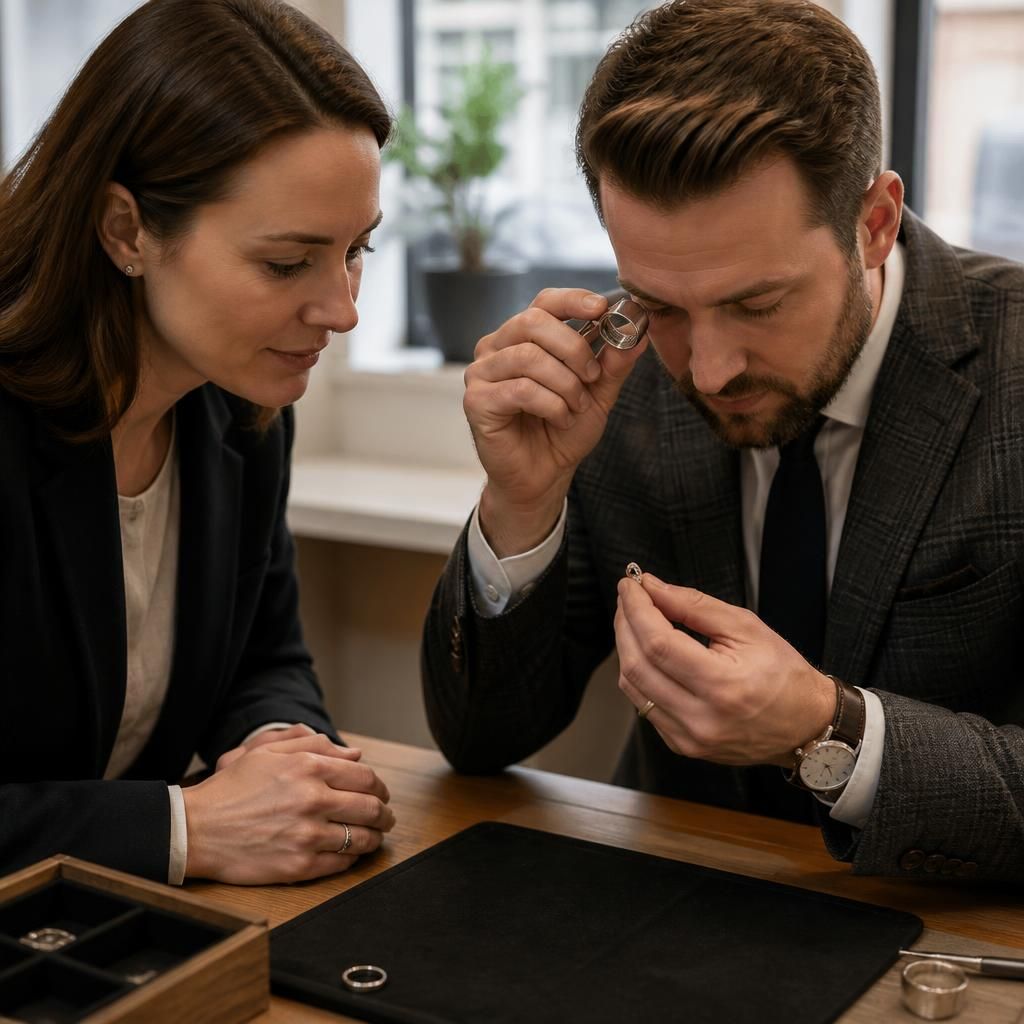
A professional condition check is an important part of maintaining second-hand jewellery because previous wear, resizing or repairs may not be visible at first glance. A jeweller can examine claws, settings, soldered joins, clasps, hinges and chain links for signs of weakening before a minor issue leads to damage or loss.
Arrange an assessment before wearing a pre-owned piece regularly, particularly if a gemstone moves, a claw catches on clothing, a clasp feels loose or a ring has changed shape. Avoid polishing older jewellery until it has been checked, as excessive polishing can soften hallmarks, remove engraving or diminish original surface detail. The inspection can also establish whether cleaning, claw work, restringing, repair or a valuation is appropriate.