
What aftercare services are available for engagement rings purchased in Birmingham's Jewellery Quarter?
Engagement ring aftercare in Birmingham’s Jewellery Quarter can include professional cleaning and inspection, resizing, repairs, setting checks, remodelling and valuation services. These services help maintain the ring’s fit, security, appearance and documented value throughout its lifetime.
Engagement ring aftercare in Birmingham’s Jewellery Quarter can include professional cleaning and inspection, resizing, repairs, setting checks, remodelling and valuation services. These services help maintain the ring’s fit, security, appearance and documented value throughout its lifetime.
Cleaning and inspection
Regular professional cleaning removes residue that can dull the metal and disguise problems around the setting. During an inspection, the jeweller checks the condition of the shank, claws, shoulders, gallery and any fitted wedding-ring alignment. The stone is also examined for movement, chips or signs that it is not being held securely.
Professional cleaning is different from simply washing the ring at home. The appropriate method depends on the metal, gemstones, construction and any previous repairs. Some treatments are unsuitable for delicate settings, fracture-filled stones, porous gems or older jewellery, so the ring should be assessed before cleaning equipment or solutions are used.
Resizing and fitting adjustments
A ring can be resized when it has become too tight, too loose or difficult to remove comfortably. The jeweller assesses the design, metal, setting and any engraving before recommending the most suitable approach. A plain band may be straightforward to adjust, while eternity-style rings, intricate shoulders and rings with stones set around the full circumference may require more careful treatment or have limits on how far they can be changed.
Resizing is also an opportunity to check the roundness and strength of the band. If the ring is only slightly loose, an internal adjustment or discreet sizing solution may be preferable to altering the whole shank. The correct fit should allow the ring to pass over the knuckle while remaining secure during normal wear. Swelling, temperature changes and changes in hand size can affect how it feels, so an assessment is more reliable than choosing a size based on a single measurement.
Repairs and setting security
Aftercare can address worn claws, loose stones, damaged bands, worn solder joints, broken shoulders and distorted settings. A ring should be examined promptly if a stone rattles, catches on clothing, appears lower than before, or if the metal shows a crack, split or sharp edge. Continuing to wear it may allow a minor defect to become more extensive.
Repair work may involve rebuilding or retipping a claw, securing a stone, replacing a damaged section of metal, restoring the setting or correcting the ring’s shape. The repair should be explained before work begins, including any implications for the original design, the finish and the security of neighbouring stones.
Remodelling and alterations
If your engagement ring no longer suits your style, no longer fits comfortably or has sentimental components from another piece, remodelling can provide an alternative to replacing it. Options may include incorporating existing diamonds or gemstones into a new setting, changing the profile, updating the shoulders, creating a matching wedding band or combining inherited jewellery with the original ring.
Before remodelling, the materials and condition of the existing piece should be assessed. The jeweller can advise whether stones are suitable for removal and resetting, whether the metal can be reused, and how the proposed design will affect durability and future maintenance. Keeping the original stone does not necessarily mean every part of the original mount can be preserved.
Valuations and documentation
A professional valuation records relevant details about the ring, such as its materials, gemstones, design and assessed replacement or market value, depending on the purpose of the document. You may need an updated valuation for insurance, estate planning, a change in ownership or after substantial alterations.
A valuation is not the same as a purchase receipt and should reflect the purpose for which it is prepared. If the ring has been resized, remodelled or fitted with a replacement stone, its documentation should be reviewed so that it remains accurate. Keep the valuation, receipts, photographs and any relevant gemstone reports in a secure place, and tell your insurer if the ring’s circumstances or value change.
Practical care between appointments
- Remove the ring before heavy work, gardening, exercise, swimming and activities involving impact or abrasive materials.
- Keep it away from household chemicals, chlorine, cosmetics and strong cleaning products.
- Store it separately from other jewellery to reduce scratching and tangling.
- Check occasionally for a loose stone, worn claw or change in shape, without trying to tighten or repair anything yourself.
- Have the ring checked if it has been dropped, struck or exposed to a substance that may damage the metal or gemstone.
When bringing a ring in for aftercare, explain how it is worn, whether it has been repaired before and whether there are particular concerns about the stones or setting. That information helps determine the safest cleaning, repair or alteration method. The appropriate aftercare schedule depends on the ring’s design, materials and frequency of wear, but prompt professional advice is important whenever its fit, appearance or security changes.
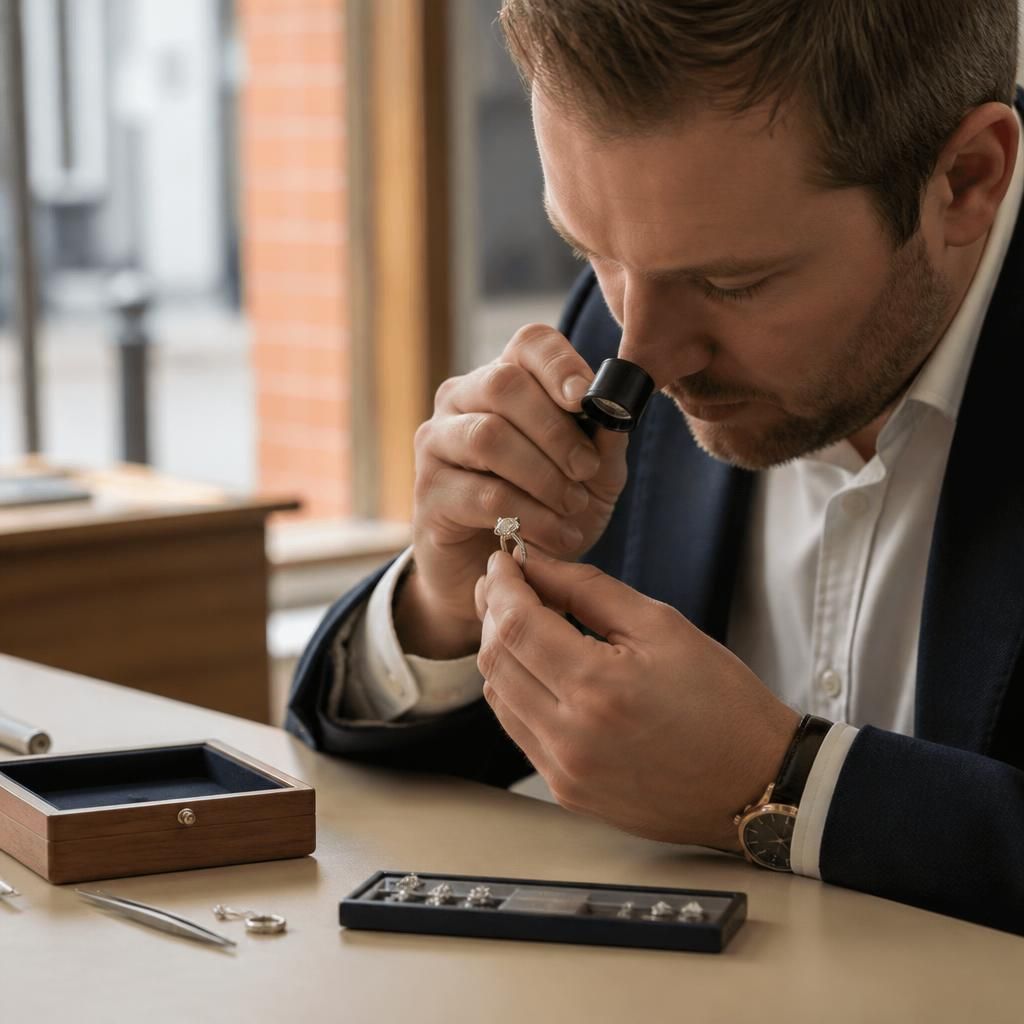
Professional inspection is a key part of engagement ring aftercare because it can identify loose stones, worn claws, damaged settings and changes in the ring’s shape before they become more serious. A jeweller will assess the metal, setting and gemstones, then recommend appropriate cleaning or repair based on the ring’s construction.
Arrange an inspection if a stone rattles, catches on clothing, appears to sit differently or the ring has been knocked. Avoid wearing it until it has been checked, as continued wear can worsen a damaged claw or setting.