
How can you assess the quality and craftsmanship of jewellery in the Jewellery Quarter?
To assess the quality and craftsmanship of jewellery in the Jewellery Quarter, begin by examining the materials used, such as the type of precious metals and gemstones, ensuring they are authentic and of high quality. Additionally, evaluating the intricacy of design and the precision of artisanship helps determine the piece’s overall craftsmanship. Look for markers of fine workmanship like symmetrical settings, smooth metal surfaces, and secure clasps and fastenings, all of which reflect the expertise invested in creating unique, bespoke jewellery.
Assessing the quality and craftsmanship of jewellery in the Jewellery Quarter requires a meticulous evaluation of several key factors. Start by examining the materials used in the piece. High-quality jewellery will feature precious metals such as gold, platinum, or silver. It’s crucial to verify the hallmark, which is a legal certification of the metal’s purity. Look for hallmarks that comply with British standards, typically stamped into the piece, indicating the assay office mark and the fineness number.
Next, focus on the gemstones. Quality gemstones should display vibrant colour, clarity, and consistency. Be informed about the gemstone’s origin and certification, which ensures authenticity and ethical sourcing. Reputable jewellers in the Jewellery Quarter often provide documentation for precious stones, including diamond certifications from institutions like the GIA (Gemological Institute of America).
Pay attention to the craftsmanship by scrutinising the jewellery’s detailing. Signs of high craftsmanship include symmetrical settings, refined polishing, and seamless solder joints. Examine the precision of the setting work; stones should be securely and evenly mounted. Additionally, evaluate the functionality of clasps and fastenings, ensuring they are both sturdy and easy to use. The weight of the piece can also offer insight into its craftsmanship quality – it should feel substantial for its size, reflecting the density and purity of the materials used.
Handcrafted pieces from bespoke jewellers are often marked by their unique design elements and intricate features that mass-produced items typically lack. Feel free to ask the jeweller about the creation process and the techniques employed, such as hand forging or casting, to further understand the level of skill and attention invested in the piece.
Finally, seek out jewellers who offer comprehensive aftercare services, as these reflect a commitment to long-term customer satisfaction and the longevity of the jewellery piece. Services like ring resizing, repairs, and valuation underscore a jeweller’s confidence in their craftsmanship and enhance the value of your investment.
In summary, by carefully considering these factors, you can confidently assess the quality and craftsmanship of jewellery in the Jewellery Quarter, ensuring that you acquire a piece that not only meets your aesthetic preferences but is also a testament to exceptional workmanship and ethical sourcing.
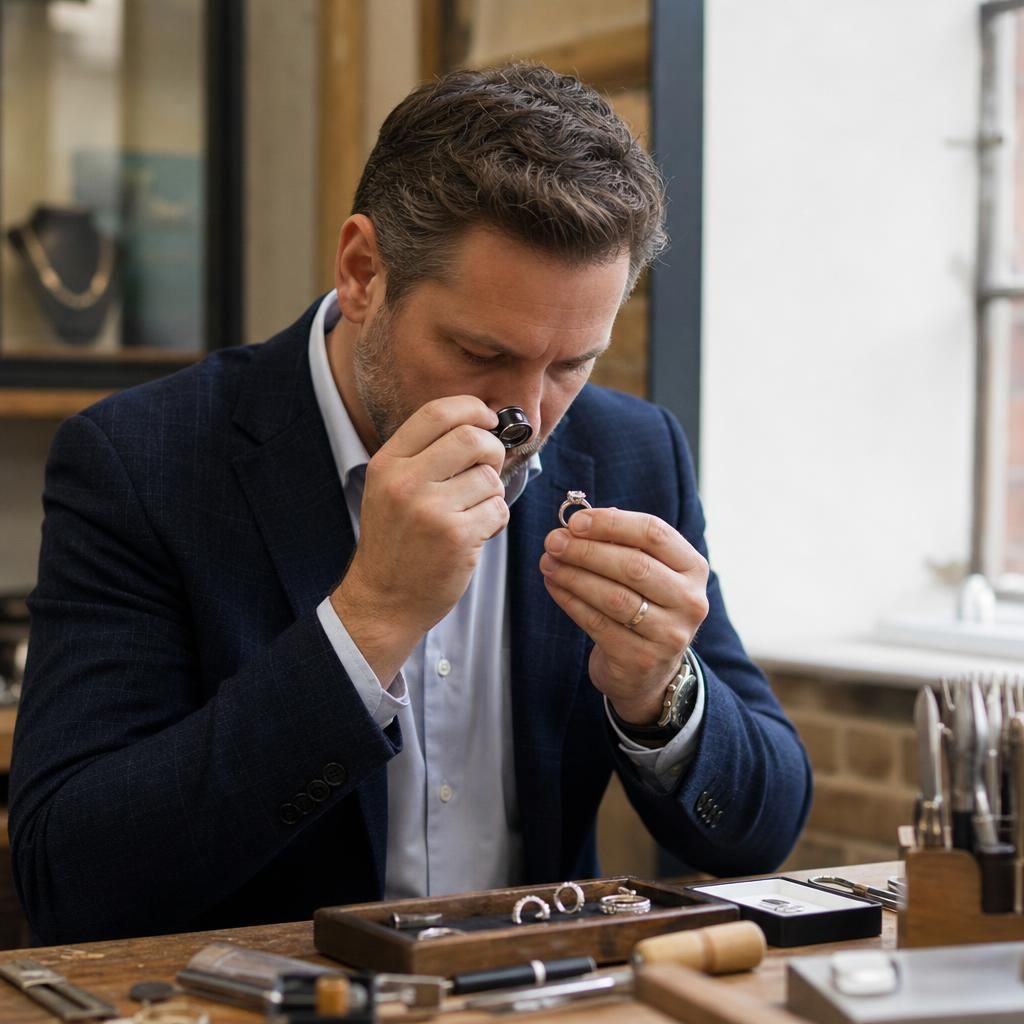
Hallmarks and Certification: A Must for Quality Assurance
When assessing the quality and craftsmanship of jewellery in the Jewellery Quarter, understanding hallmarks and certifications is crucial. Hallmarks are official marks stamped on precious metals like gold, silver, and platinum. These marks serve as a guarantee of authenticity and are an assurance provided by registered assay offices in the UK. A hallmark will typically consist of three compulsory elements: sponsor’s mark, fineness mark, and the assay office mark. By familiarising yourself with these, you can ascertain the metal’s purity and trust in its legal compliance.
Gemstone certification also plays a vital role in determining quality. Certificates from reputable sources such as the GIA (Gemological Institute of America) are essential for validating the authenticity, grade, and ethical sourcing of gemstones. When purchasing jewellery, especially pieces with diamonds or other precious stones, request to see these certificates as they provide transparent information on the stone’s attributes. This level of detail not only reassures buyers of the piece’s quality but also demonstrates the jeweller’s commitment to ethical standards and customer trust. Ensuring these certifications and hallmarks are present and accurate is an indispensable step in confirming you’re making a worthwhile investment in the Jewellery Quarter.