What factors should be considered when matching different metal wedding bands for couples or sets?
When matching different metal wedding bands for couples or sets, consider factors such as metal compatibility, personal style preferences, and skin sensitivities. Opt for metals that complement each other visually and align with both partners’ daily wear habits to ensure long-lasting satisfaction and durability.
When matching different metal wedding bands for couples or sets, one must consider several crucial factors that ensure both aesthetic cohesion and personal satisfaction. Firstly, it’s essential to assess metal compatibility. Metals such as gold, platinum, palladium, and silver each have unique properties and can react differently over time when in contact with one another. Selecting metals that are similar in durability can prevent uneven wear, ensuring the longevity and appearance of each band remains consistent.
Another important consideration is the personal style preferences of each partner. While one may prefer the classic warmth of yellow gold, the other might gravitate towards the sleek elegance of platinum. Striking a balance that reflects both partners’ tastes may involve selecting metals that complement each other aesthetically and align with the couple’s shared values and lifestyle.
Metal allergies and skin sensitivities are also critical to address. Some individuals may experience reactions to particular metals, such as nickel, which is often found in white gold. In such cases, hypoallergenic options like platinum or palladium can be considered to ensure comfort alongside style.
Everyday wear and lifestyle choices should guide the selection process as well. Considerations such as exposure to specific environments, job roles, and daily activities can inform which metals are best suited for longevity and maintenance. For example, those with active lifestyles may benefit from more robust options like platinum, known for its durability.
Finally, think about the symbolic aspects of each metal choice. Different metals often carry various meanings and connotations; for example, white metals may symbolise purity and endurance, while yellow gold represents tradition and prosperity. Matching these meanings with the couple’s intentions for their future can add a layer of personal significance to their choice.
In conclusion, when choosing metal wedding bands for couples or sets, focus on factors such as metal compatibility, personal style preferences, skin sensitivities, lifestyle considerations, and symbolic meanings. Comprehensive consultations can provide additional guidance, ensuring your selections enhance the sentiment and significance of your shared commitment.
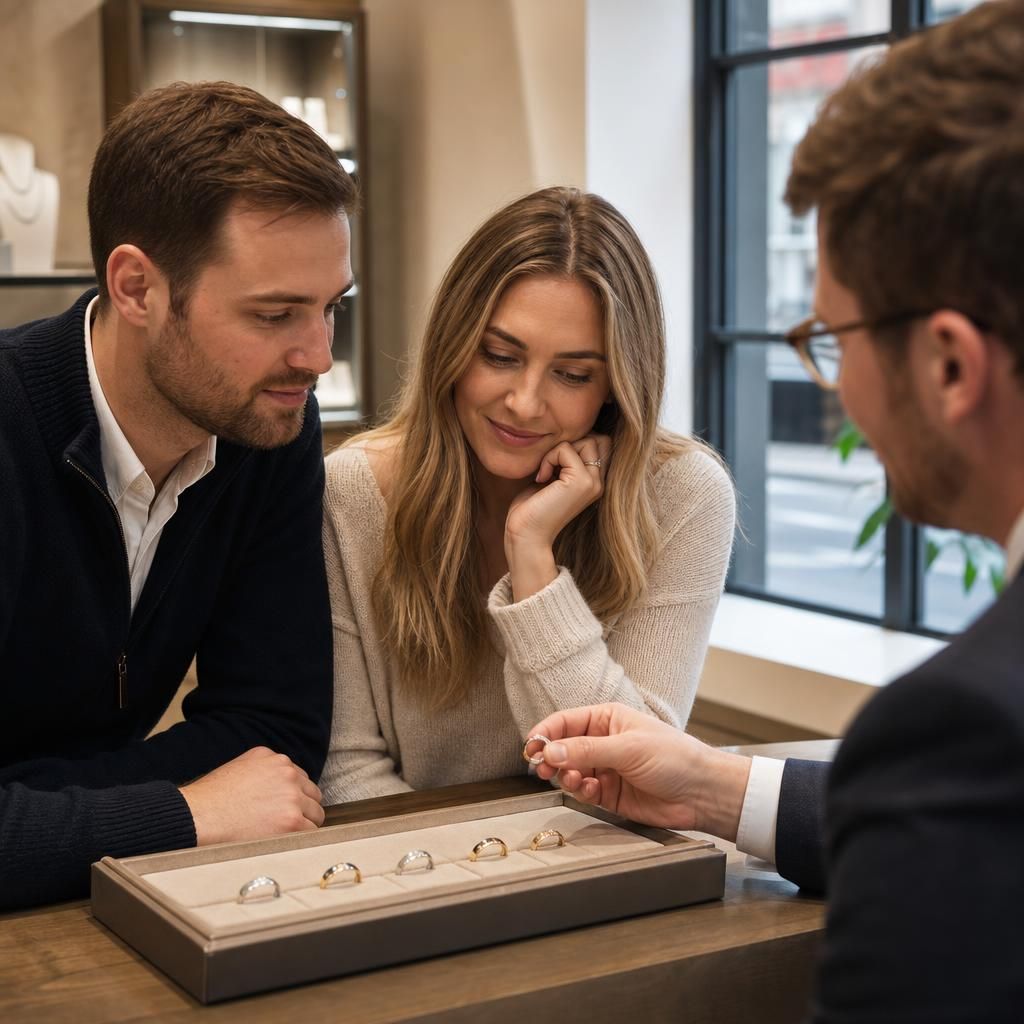
Metal compatibility is a fundamental consideration when selecting wedding bands for couples, as it influences both the aesthetic balance and the longevity of the rings. Different metals possess distinct attributes, which can result in varied reactions over time when in contact with one another. To ensure harmonious pairing, choosing metals with similar properties and durability is advisable. For instance, both platinum and white gold offer a sleek, elegant appearance, but platinum is notably more robust. Matching metals with comparable hardness levels, such as gold and palladium, can minimise uneven wear, thus preserving the visual appeal and structural integrity of the wedding bands in the long term. By focusing on compatibility, couples can enjoy wedding bands that not only look cohesive but also stand the test of time, aligning with their commitment to one another.