
How can I ensure my jewellery stays in optimal condition post-restoration?
To keep restored jewellery in optimal condition, follow the recommended care instructions, handle it gently, store it separately in a clean, dry place, and remove it before strenuous activity, swimming or using household chemicals. Arrange periodic professional inspections and cleaning so any loose settings, worn clasps or developing damage can be addressed before they affect the restored piece.
Jewellery stays in optimal condition after restoration when it is worn thoughtfully, cleaned according to its materials, stored correctly and checked regularly by a qualified jeweller. Restoration can return a piece to sound and attractive condition, but it cannot prevent future wear to settings, clasps, surfaces or gemstones. Following the care guidance provided with your jewellery helps preserve the restoration and makes it easier to identify developing problems at an early stage.
Follow the specific aftercare advice first. Different restoration methods and materials require different precautions. A piece that has been soldered, reshaped, plated, polished, stone-set or remodelled may need particular handling while it settles into regular use. Keep any written care instructions, valuation, repair record or warranty information with the jewellery’s other documents. If you are unsure whether a cleaning product, repair or alteration is suitable, ask for professional advice before proceeding.
Handle restored jewellery carefully. Put pieces on after applying perfume, hairspray, cosmetics and lotions, and remove them before bathing, showering or sleeping where appropriate. Avoid wearing jewellery during gardening, DIY, sport, heavy lifting or other activities that may expose it to knocks, pressure or snagging. Rings are especially vulnerable because their settings can catch on clothing or be struck against hard surfaces. Do not pull a chain, pendant or earring to test its strength, as this can worsen a weakened connection.
Keep jewellery away from chemicals and excessive moisture. Chlorine, bleach, cleaning fluids, solvents and some cosmetics can discolour metals, weaken alloys or damage certain gemstones and surface treatments. Salt water and perspiration may also affect finishes over time. Remove jewellery before swimming, using household cleaning products or applying products containing strong chemicals. If a piece becomes wet, dry it gently with a soft, lint-free cloth rather than rubbing it aggressively.
Clean it using a method suitable for the piece. For many durable items, gentle cleaning with lukewarm water, a mild, non-abrasive solution and a very soft brush can remove everyday residue. However, do not soak jewellery automatically. Porous, treated or delicate gemstones, glued components, antique construction, oxidised finishes and some restored settings may not be suitable for immersion or ultrasonic cleaning. Avoid toothpaste, abrasive cloths, household cleaners and unapproved polishing compounds, which can scratch metal or remove a deliberate finish. If the restoration included plating, ask when and how the surface should be cleaned and maintained.
Store each item separately. Use a clean, dry jewellery box, pouch or lined compartment so pieces do not rub against one another. Keep chains fastened loosely to reduce tangling, and protect softer gemstones from harder stones and metal edges. Store jewellery away from direct sunlight, damp bathrooms and significant changes in temperature. Silver may tarnish when exposed to air and moisture; an appropriate anti-tarnish pouch can help, provided it does not come into direct contact with gemstones or finishes that require different storage conditions.
Inspect restored jewellery regularly. Under good light, look for movement in a stone, gaps around a setting, bent claws, thinning metal, scratches, cracks, discolouration, a loose clasp or a chain link that no longer closes properly. Check that earrings remain secure and that hinged or articulated sections move as intended. A restored ring should also be examined for changes in shape or a band that has become noticeably thinner. Stop wearing the piece if a gemstone moves, a claw catches on fabric, a clasp opens unexpectedly or any repaired area appears to have separated. Place it safely in a box and arrange an assessment rather than attempting a home repair.
Arrange periodic professional checks and cleaning. A jeweller can examine settings, solder joints, hinges, clasps and areas of wear that may not be visible during normal handling. Professional cleaning can remove residue without using a method that is unsuitable for the piece, while an inspection may identify a problem before a stone is lost or a restored section is damaged. The appropriate frequency depends on the design, materials, condition and how often the jewellery is worn. Frequently worn rings and pieces with delicate settings generally warrant closer monitoring than items kept for occasional use.
Take extra care with particular materials.
- Gold and platinum can scratch and become marked even though they are durable. Repeated polishing removes a small amount of surface metal, so polishing should be carried out only when needed.
- Silver can tarnish naturally. Gentle cleaning is usually preferable to aggressive polishing, particularly where the piece has an oxidised or textured finish.
- Diamonds are hard but can still chip at vulnerable edges, and their settings may loosen through impact. Do not rely on the gemstone’s hardness as protection against knocks.
- Opals, pearls, turquoise and other porous or softer gemstones may be affected by chemicals, heat, dryness or prolonged soaking. Keep them away from steam cleaners and ultrasonic baths unless a professional has confirmed that the method is safe.
- Enamel, plating and other decorative finishes can be scratched or worn by friction. Store and clean these pieces separately and avoid abrasive products.
After restoration, use the jewellery as intended and avoid making unapproved alterations, including resizing, polishing, plating or stone replacement elsewhere without discussing the effect on the restored work. If the item is covered by a workmanship guarantee or warranty, check its terms before arranging further work, as unauthorised alterations may affect available support. Bring the piece back for advice if its condition changes, if the original issue returns or if you are uncertain about its care. Prompt professional attention is usually the safest way to protect both the restored structure and the materials used in the piece.
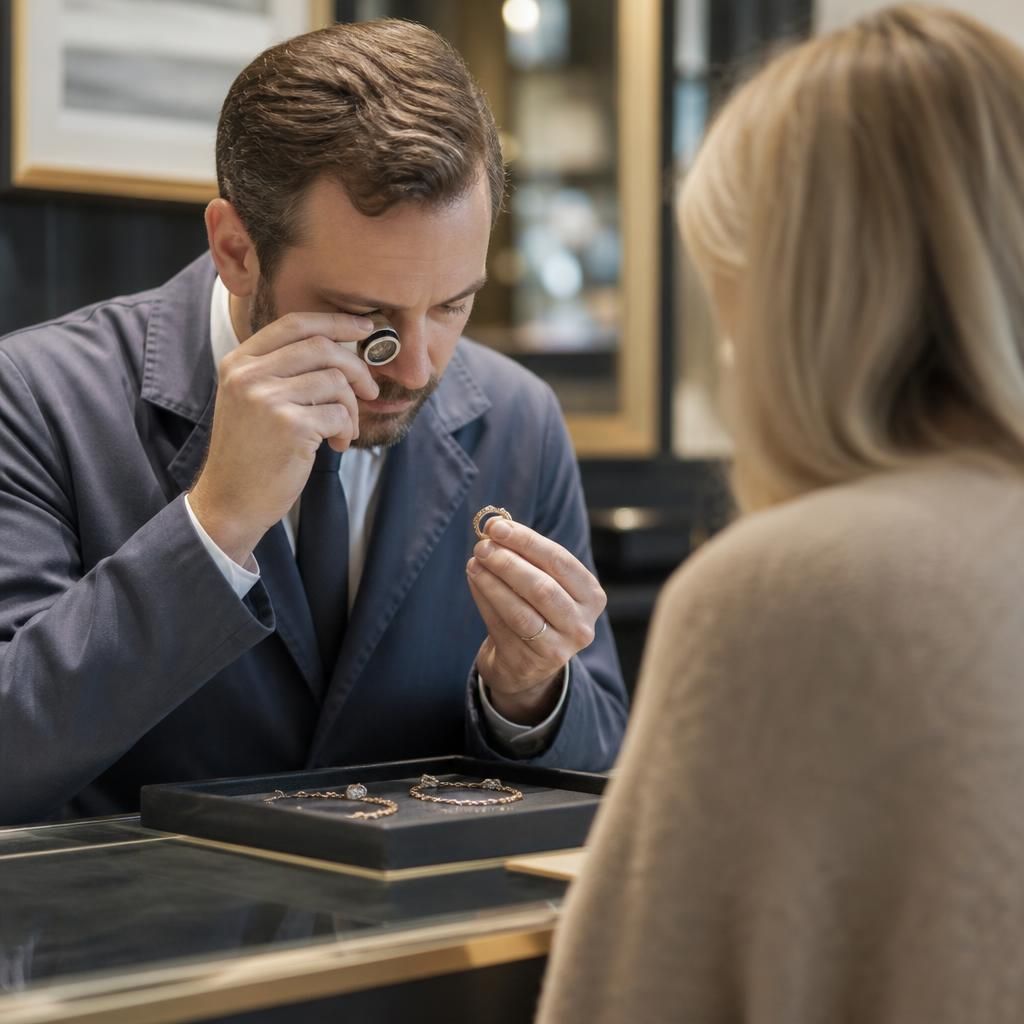
Regular professional inspections are one of the most effective ways to keep restored jewellery in optimal condition. A jeweller can identify movement in a gemstone, worn claws, thinning metal, weakened solder joints or a clasp that is no longer closing securely before the problem causes further damage.
The right inspection interval depends on the item’s design, materials, restoration work and frequency of wear. Frequently worn rings and jewellery with delicate settings need closer monitoring than pieces kept for occasional use. Professional cleaning should also be chosen according to the jewellery’s construction, as ultrasonic cleaning, steam and soaking may be unsuitable for porous gemstones, glued components, antique features, plating or certain restored settings.
- Stop wearing the piece if a stone moves, a claw catches on clothing or a clasp opens unexpectedly.
- Keep the jewellery safely stored rather than attempting a home repair.
- Bring it back for assessment, particularly if the original issue appears to be returning.
Book a professional jewellery aftercare inspection
Book a professional jewellery aftercare inspection if you notice movement, damage, wear or any change in your restored piece. We can assess the jewellery, recommend suitable cleaning and address developing issues before they compromise the restoration.