
What types of jewellery can be repaired in Birmingham?
Most jewellery can be repaired in Birmingham, including rings, earrings, necklaces, bracelets, pendants, brooches and many vintage or handmade pieces. Typical work includes replacing damaged settings, repairing chains and clasps, rebuilding worn mounts, replacing stones and restoring precious-metal components, with each item assessed individually.
Most types of jewellery can be repaired in Birmingham, including rings, earrings, necklaces, bracelets, pendants, brooches, cufflinks and many vintage or handmade pieces. Common repairs include rebuilding worn settings, replacing missing stones, soldering or laser-repairing damaged metal, repairing chains and clasps, replacing worn catches, and restoring items that have become misshapen. Each piece should be assessed individually, as the repair method depends on its design, materials, condition and the value attached to it.
Rings are among the most frequently repaired items. Possible work includes resizing, repairing split or worn shanks, rebuilding claws, replacing worn settings, securing loose stones and restoring damaged shoulders. A ring may also be cleaned and polished as part of the repair, although care is needed with plated finishes, delicate textures, antique surfaces and settings that have been intentionally left with signs of age. Where a ring has been repeatedly resized or has become very thin, strengthening or remodelling may be more suitable than another straightforward resize.
Engagement rings and wedding rings can often be restored even when they have sustained significant wear. Claws may be retipped or replaced, a setting may be rebuilt, and a loose diamond or gemstone can be removed and reset safely. Matching wedding bands can sometimes be adjusted to sit more securely alongside an engagement ring. If the original design is no longer structurally sound, remodelling may preserve the stones and important features while creating a stronger mount.
Necklaces and chains can usually be repaired when links have opened, stretched or broken. Repairs may include closing or replacing links, restoring soldered joints, fitting a new clasp, replacing a jump ring and repairing areas that have become weakened through friction. Fine chains, hollow links and older construction methods require particularly careful handling. A repair should address the cause of the failure rather than simply closing the visible break, especially if nearby links are also worn.
Bracelets and bangles may be repaired by replacing clasps, hinges, safety chains, links or connecting sections. Flexible bracelets can develop wear where links rub against one another, while rigid bangles may become distorted or split. Some pieces can be reshaped, but heavily worn or thin metal may need to be reinforced or remodelled. Bracelets containing articulated settings, woven sections or integrated gemstones require an assessment before any work is started.
Earrings can often be repaired when posts, backs, hooks, hinges or soldered joints have failed. Missing or damaged fittings can usually be replaced, subject to matching the metal and design. Drop earrings and articulated designs may need several connection points checked because one damaged link can place additional strain on the rest of the piece. Earrings with stones should also be examined for loose settings before they are worn again.
Pendants, brooches and pins may be restored by repairing bails, hinges, catches, pin stems and safety mechanisms, or by replacing damaged mounts. The back of a brooch is particularly important: a weak pin or unreliable catch can cause the entire piece to be lost. Pendants may also need attention around the bail, where repeated contact with a chain can gradually thin the metal.
Jewellery with gemstones can often be repaired, but the stone itself must be considered as carefully as the metal. Diamonds, sapphires and rubies are generally durable, while softer or more brittle stones may be vulnerable to heat, pressure, chemicals or sudden temperature changes. Some treated, fractured, porous or included stones need specialist handling, and certain stones may need to be removed before soldering or other heat-based work. A repairer should identify the stones and discuss any risks before proceeding.
Gold, platinum and silver jewellery can all be repaired, although the techniques and finished appearance may differ. Gold can be repaired or remodelled in the appropriate colour and fineness, while platinum requires compatible materials and specialist workmanship. Silver items can be soldered, reshaped and polished, but heavily oxidised, plated or hollow pieces may need a more conservative approach. Jewellery made from mixed metals, unusual alloys or plated materials should be assessed before a repair is quoted.
Vintage and antique jewellery is often repairable, but it should not automatically be treated like a modern item. Older pieces may have thin sections, fragile settings, historic solder joints, unusual construction or stones that have already been replaced. The aim may be to stabilise and preserve the original character rather than make the item look entirely new. Repairs should be discussed alongside the piece’s age, condition, provenance and any valuation or insurance requirements.
Handmade and bespoke jewellery can usually be repaired, even when the design is unusual or has no standard replacement parts. The repair may involve reproducing a component, adapting the original construction or carefully remodelling part of the piece. Bespoke designs should be examined as complete objects because an alteration to one element can affect the balance, fit or movement of another. Where the original maker’s techniques or materials are known, that information can help guide an appropriate restoration.
Watches and jewellery watches require a different type of expertise from conventional jewellery repair. A jeweller may be able to assess or repair external elements such as a bracelet, clasp, case, crown or gemstone setting, while movement servicing, water resistance and other horological work should be carried out by a suitably qualified watch specialist. Luxury watches should be documented and assessed carefully, with attention to originality, condition and the effect of any proposed work on their value.
Some damage cannot be repaired safely or economically in its original form. Examples include metal that has become excessively thin, stones that are fractured beyond secure setting, severely corroded components, missing proprietary parts or designs that have been altered repeatedly. In these situations, possible alternatives may include replacing a component, resetting the stones, remodelling the piece or creating a new item using the original materials. These options should be explained before any irreversible work takes place.
Before repair, the item should be checked for loose stones, cracks, thinning, previous repairs, distortion and signs of wear that may not be obvious at first glance. Photographs and a written description can help record its condition, particularly for valuable, inherited or insured jewellery. If a valuation is required, it is sensible to discuss this before polishing or remodelling, as cleaning and alteration can affect the description of the item and its condition.
For an accurate recommendation, bring the complete piece rather than only the visibly damaged part. Include any loose stones or detached components, and mention how the damage occurred, whether the item has been repaired before, and whether preserving its original appearance is important. The repairer can then explain what can be restored, what may need replacing, the likely finish, any risks to delicate materials and whether resizing, repair, restoration or remodelling is the most suitable option.
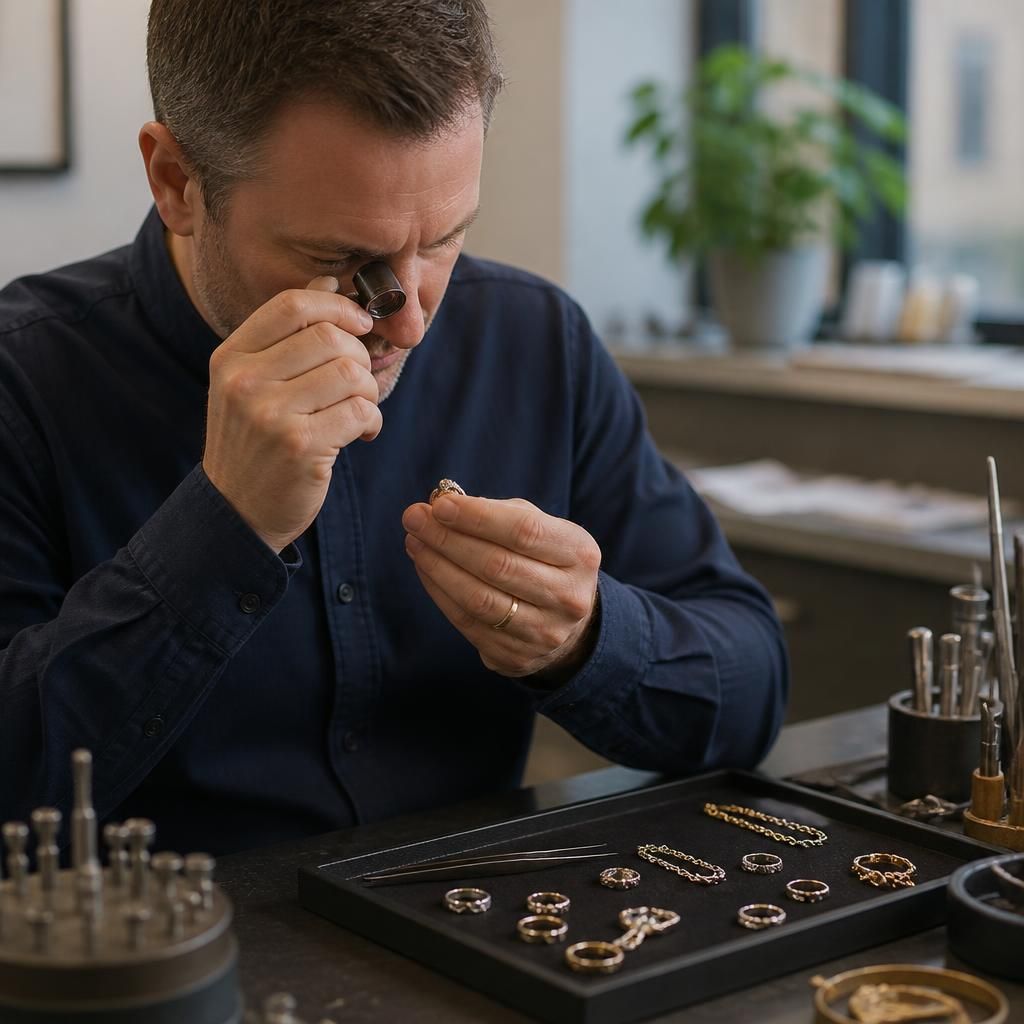
Vintage and handmade jewellery can often be repaired, but it requires a more conservative approach than standard modern pieces. Older or individually made items may contain thin sections, unusual settings, historic solder joints or non-standard components, so the repair should preserve the original design wherever possible rather than unnecessarily replacing it.
The condition of the metal, gemstones and previous repairs should be assessed before work begins. Depending on the damage, suitable options may include stabilising a setting, reproducing a missing component, strengthening worn metal or remodelling part of the piece. If the jewellery has sentimental, historical or valuation importance, discuss this before polishing or altering it, as restoration can affect its original character and recorded condition.