
What aftercare services are included following jewellery restoration?
Following jewellery restoration, aftercare typically includes an expert inspection, advice on cleaning and storage, and guidance on protecting the restored areas during wear. Where needed, we can also recommend further polishing, adjustments, repairs or periodic checks to help preserve the jewellery’s condition and finish.
Following jewellery restoration, aftercare normally includes a post-restoration inspection, professional cleaning and finishing, practical care guidance, and advice on any further adjustments or repairs that may be needed. The exact support depends on the materials, construction, condition and work carried out, so the completed piece should be assessed individually rather than treated as a standard item.
At collection or completion, the restored jewellery should be checked carefully to confirm that the agreed work has been completed and that the piece is suitable for normal wear. This inspection may include:
- Reviewing the restored area, including joins, mounts, settings and previously damaged sections.
- Checking that gemstones are secure and that claws, bezels or other retaining features are properly aligned.
- Examining catches, hinges, links, soldered areas and moving parts where these form part of the restoration.
- Confirming that the finish, proportions and visible details are consistent with the agreed design or intended character of the piece.
- Identifying any limitations that remain because of age, wear, fragile materials or the original construction.
A final clean and polish may also be included where appropriate. Cleaning removes residues left from handling or workshop processes, while polishing can improve the surface finish and reduce suitable light marks. These treatments are not appropriate for every item. Antique surfaces, intentional patination, delicate engraving and softened hallmarks may need to be preserved rather than polished away. Gemstones and materials such as pearls, opals, emeralds or treated stones may also require gentler cleaning methods.
Care advice is an important part of restoration aftercare. You should be advised how to clean the piece safely at home, which products to avoid and how to store it between wears. In general, restored jewellery should be kept away from harsh chemicals, chlorine, abrasive materials and sudden impact. It should be stored separately in a soft, dry pouch or lined compartment so that it does not rub against other jewellery. Pieces with delicate settings, fine chains or older soldered joints should not be worn during strenuous activities, household cleaning or manual work.
Where a restoration has involved gemstones or a previously weakened setting, aftercare advice should also cover suitable wearing conditions. A restored ring, for example, may need periodic checks for movement in the stones, worn claws or changes in the shape of the mount. A necklace or bracelet may require attention to its clasp, links or connecting rings. Reporting a problem promptly is preferable to continuing to wear the piece, as a small adjustment may prevent further damage or the loss of a stone.
Further services may be recommended after inspection, although they are not automatically necessary for every restoration. These can include:
- Additional polishing, refinishing or retexturing where the surface requires a final adjustment.
- Ring resizing or alterations to improve comfort and fit.
- Claw, setting, clasp, hinge, chain or solder repairs.
- Stone tightening, resetting or replacement where a gemstone is damaged or no longer secure.
- Remodelling or sympathetic alterations if the restored piece remains unsuitable for regular wear.
- Cleaning and condition checks at an appropriate interval for the item’s construction and usage.
- A valuation or updated documentation where the restoration has changed the condition, appearance or insurable value of the jewellery.
It is also sensible to retain the restoration paperwork, photographs, valuation documents and any information about replacement stones or materials used. These records can help with future repairs, insurance discussions and decisions about whether a particular cleaning or alteration is suitable. If the jewellery is covered by a repair guarantee or workmanship warranty, the terms should be explained clearly, including what is covered, any exclusions and what to do if a problem appears.
Aftercare does not usually mean that restored jewellery can be treated as indestructible. Restoration improves the condition or function of an item, but it cannot remove the effects of age, wear or the inherent delicacy of certain designs. Regular visual checks, careful storage and professional inspection when something changes are the most reliable ways to protect the result.
If you notice a loose stone, catch that is not closing properly, a new crack, movement in a setting, discolouration or damage after restoration, stop wearing the piece and arrange an assessment. We can then establish whether it needs a minor adjustment, further repair, cleaning or a more detailed review before it is worn again.
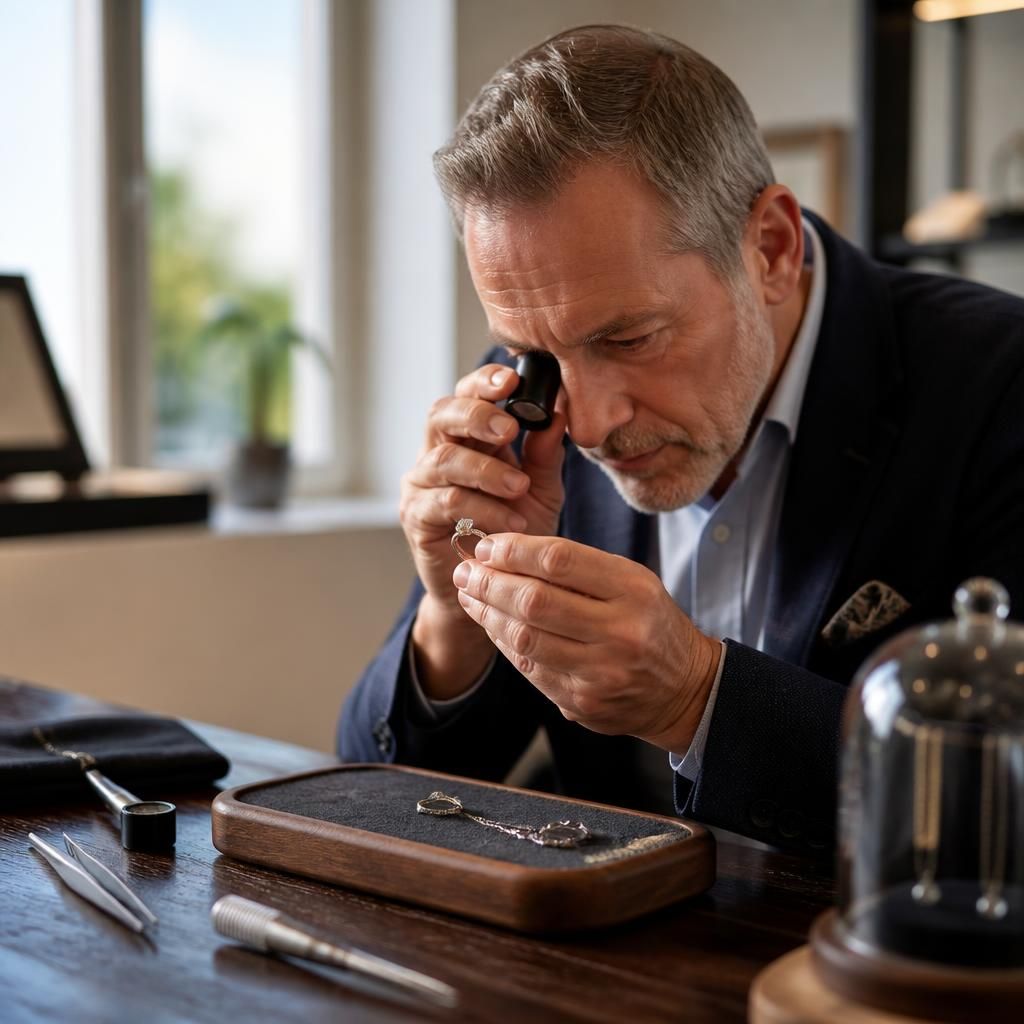
Post-restoration inspection confirms that the agreed work has been completed and that the jewellery is suitable for normal wear. The restored area, stone settings, claws, joins, clasps, hinges and moving parts are checked for alignment, security and function.
This inspection can also identify limitations caused by age, delicate materials or the original construction. Any recommended adjustments, cleaning requirements or future checks should be explained at collection, so you know how to protect the restored piece and when to stop wearing it if a problem develops.
Book Your Post-Restoration Jewellery Check
Arrange your post-restoration jewellery check with Steven Charles Quance to confirm the restored areas, settings and moving parts are secure and functioning correctly. We can also advise on cleaning, storage and any further adjustments needed to protect your piece.