
What are lab-grown diamonds and how do they compare to natural diamonds?
Lab-grown diamonds, also known as synthetic diamonds, are created in controlled laboratory environments replicating the natural diamond formation process, resulting in a gem that is chemically, physically, and visually identical to its natural counterpart. Natural diamonds, on the other hand, are formed over billions of years in the Earth’s mantle under high pressure and temperature. While both types exhibit remarkable beauty, lab-grown diamonds offer an ethical alternative for those seeking eco-friendly and affordable luxury without compromising on quality or brilliance.
Lab-grown diamonds, as their name suggests, are created in a laboratory setting where advanced technological processes mimic the natural conditions under which diamonds form in the Earth’s mantle. These lab-grown diamonds possess identical chemical, physical, and optical properties to natural diamonds, making them indistinguishable to the unaided eye. What sets them apart is the environment of their creation; while natural diamonds take billions of years to form, lab-grown diamonds can be produced in a matter of weeks or months.
When comparing lab-grown diamonds to natural diamonds, one of the primary considerations is their sourcing and environmental impact. Lab-grown diamonds are often touted as a more ethical and sustainable choice due to the reduced environmental impact and the avoidance of some of the ethical concerns associated with diamond mining. Furthermore, lab-grown diamonds provide an affordable alternative; they typically cost significantly less than natural diamonds, offering great value without sacrificing quality or appearance.
However, some customers may prefer natural diamonds for their historical and geographical significance, as well as the personal value derived from owning a piece of Earth’s natural history. Additionally, natural diamonds tend to have a more established market and resale value, which could be a factor for those considering long-term investment.
In terms of aesthetic appeal, both lab-grown and natural diamonds exhibit the dazzling brilliance that diamonds are known for. They are graded according to the same criteria of the 4Cs: carat weight, cut, colour, and clarity, ensuring that customers receive a diamond of the highest quality, regardless of its origin. The choice between these two types of diamonds ultimately depends on personal preference, priorities relating to sustainability and cost, and the meaningfulness of the piece to the individual.
At Steven Charles Quance, we are committed to offering expert guidance tailored to your needs, helping you to choose the perfect diamond that aligns with your values and vision for an engagement or wedding ring that is as unique as your story.
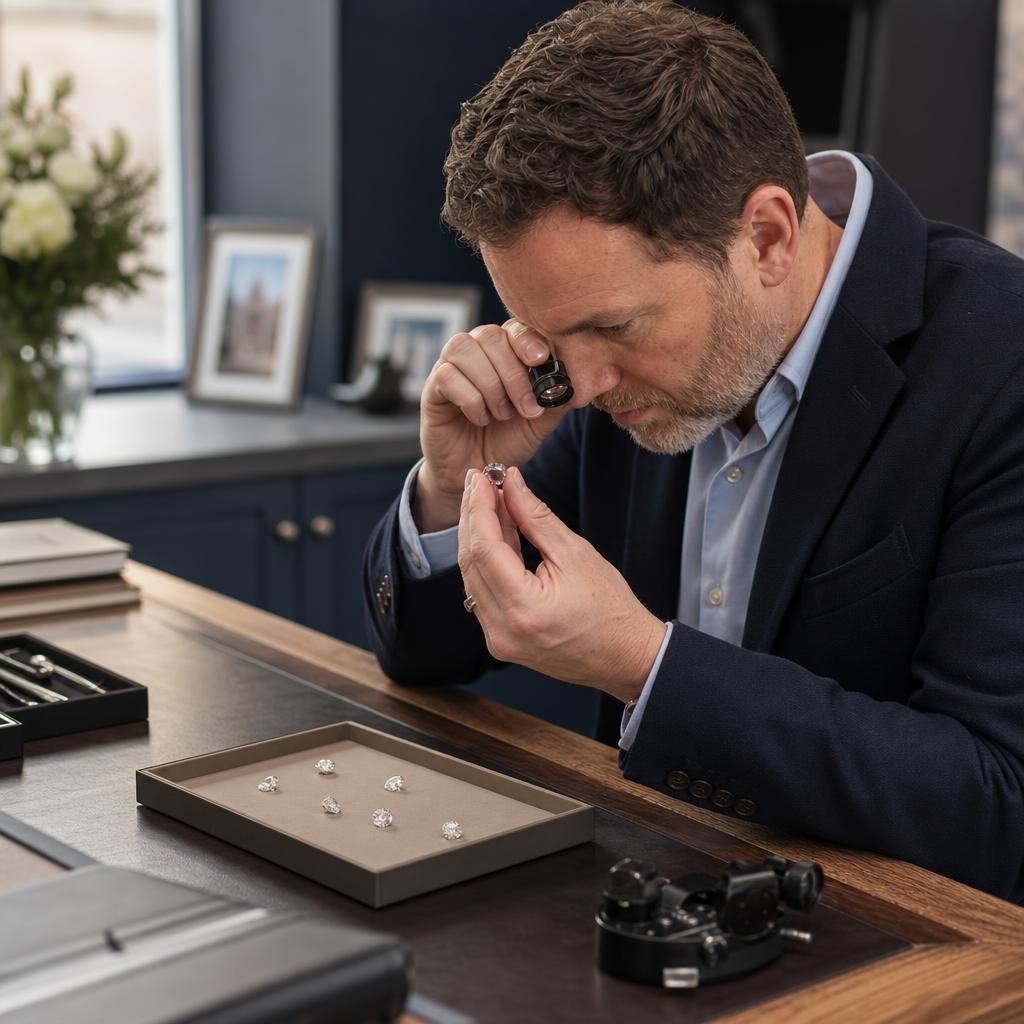
Durability and Longevity of Lab-Grown vs. Natural Diamonds
One key aspect to consider when comparing lab-grown diamonds to their natural counterparts is their durability and longevity. Both lab-grown and natural diamonds rank as a 10 on the Mohs scale of hardness, making them among the hardest substances known to man. This means both types of diamonds are exceptionally resistant to scratching and wear, ensuring that they maintain their beauty and brilliance over time. For our clients at Steven Charles Quance, this means that whether you choose a lab-grown or a natural diamond, you can be assured of a resilient gem that is ideal for everyday wear, especially in engagement and wedding rings. Ultimately, both options offer enduring elegance, reflecting the long-lasting nature of the commitment they symbolise.